Thunderstorm wind is the standout hazard at Scotts Bluff National Monument, with 21 recorded high-wind events in the county alongside 14 hail incidents — a combination that makes exposed ridgeline camping genuinely risky during storm season. These storms can roll in quickly across the open Nebraska plains, leaving little warning time for visitors caught on the monument's upper trails or at unshaded campsites.
When a storm front approaches, get off the bluff trails immediately and move your vehicle to act as shelter from hail — a windshield can crack under golf-ball-sized stones. Pack a weather radio or download a radar app with push alerts, since cell coverage here is inconsistent. Stake your tent with heavy-duty anchors rather than standard kit stakes, and store loose camp gear inside your vehicle before turning in each night, as wind gusts can send chairs and coolers airborne with little warning.
Top recorded hazards in Scotts Bluff County
County dataFrom NOAA Storm Events (2024). Counts of recorded incidents — not all occurred at this park.
- Thunderstorm Wind 21
- Hail 14
- Flash Flood 2
- Tornado 1
Gear keyed to this park's risks
Recommendations driven by the actual hazards above. As an Amazon Associate we earn from qualifying purchases.
Own this campground? Get featured.
Premium listing slots for verified owners — show photos, amenity details, and direct booking links above the standard data card. Drop your contact info and we'll reach out.
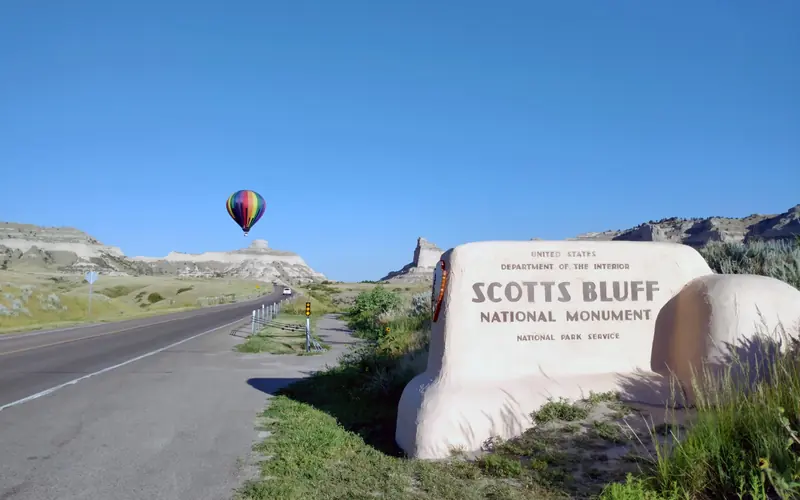
About Scotts Bluff National Monument
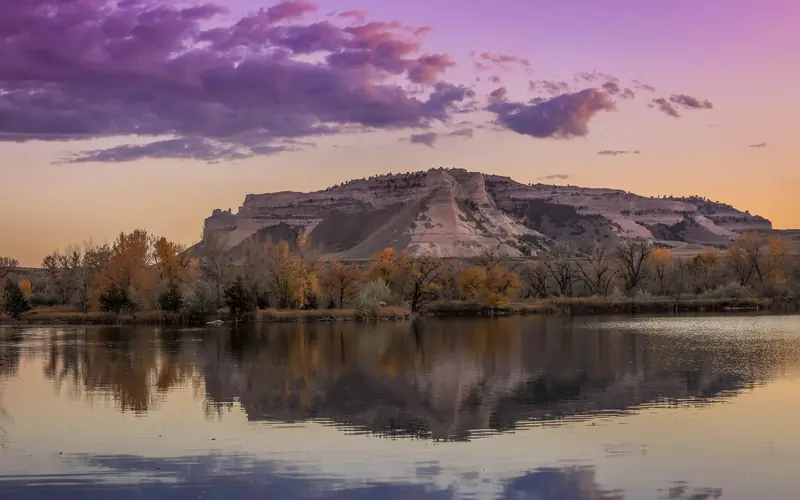
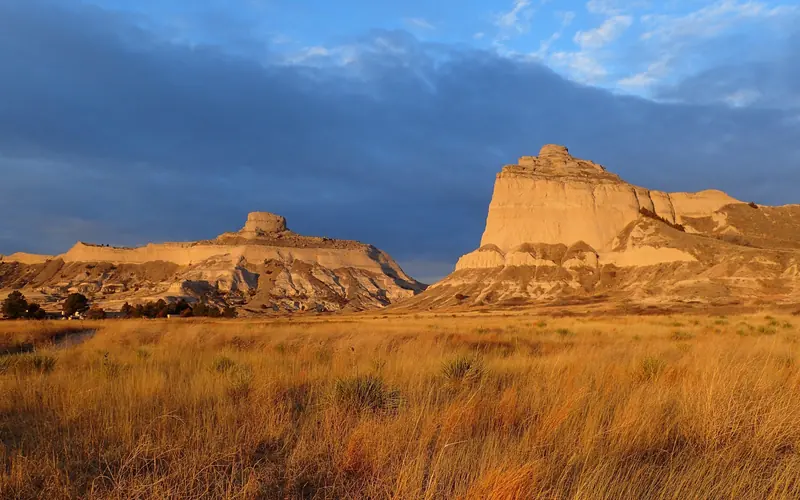
Towering 800 feet above the North Platte River, Scotts Bluff has served as a landmark for peoples from Native Americans to emigrants on the Oregon, California and Mormon Trails to modern travelers. Rich with geological and paleontological history as well as human history, there is much to discover while exploring the 3,000 acres of Scotts Bluff National Monument.
Weather
Summers at Scotts Bluff are generally dry and high temperatures are usually in the 80's and 90's, although they can reach above 100 on occasion. Hikers are strongly advised to carry water. Winter daytime temperatures are usually in the 40's or low 50's, with overnight lows below freezing and, on occasion, below 0 degrees Fahrenheit. Although it can be windy any time of the year, spring is the windiest season.