Severe weather is the dominant concern at Homestead National Historical Park, with Gage County recording 4 thunderstorm wind events, 3 hail storms, and 2 tornadoes in recent data — a clear pattern of fast-moving, violent storm systems rolling across the open Nebraska plains. The park's flat, exposed prairie terrain offers almost no natural shelter when these storms develop, and they can intensify with little warning.
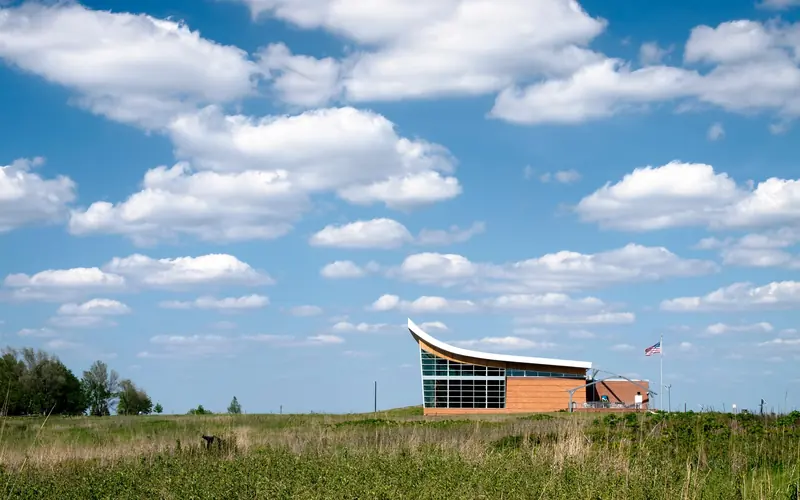
Before arriving, download a NOAA weather app and enable severe-storm alerts specific to Gage County so you receive tornado and thunderstorm warnings in real time. Pack a certified bicycle or motorcycle helmet for each child to wear during hail events if you're caught in the open, and identify the park's visitor center as your designated hard-structure refuge the moment you check in. If your vehicle is your only option during a tornado, drive at a right angle to the storm's path rather than sheltering beneath an overpass.
Top recorded hazards in Gage County
County dataFrom NOAA Storm Events (2024). Counts of recorded incidents — not all occurred at this park.
- Thunderstorm Wind 4
- Hail 3
- Tornado 2
- Funnel Cloud 2
Gear keyed to this park's risks
Recommendations driven by the actual hazards above. As an Amazon Associate we earn from qualifying purchases.
Own this campground? Get featured.
Premium listing slots for verified owners — show photos, amenity details, and direct booking links above the standard data card. Drop your contact info and we'll reach out.
About Homestead National Historical Park
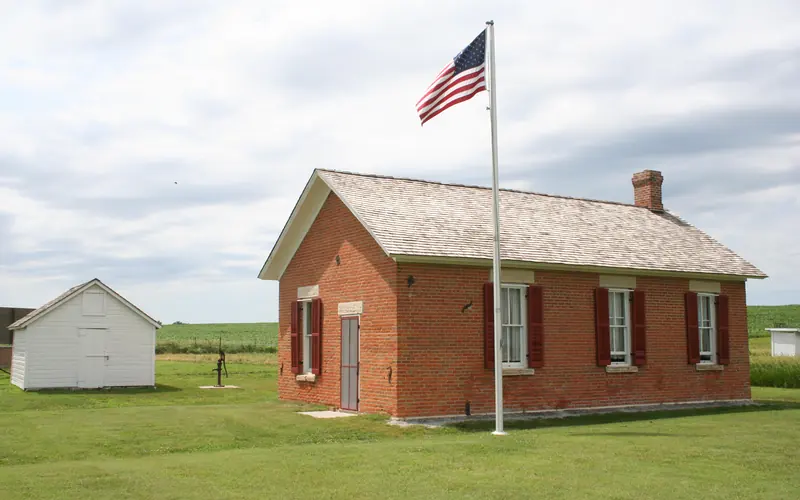
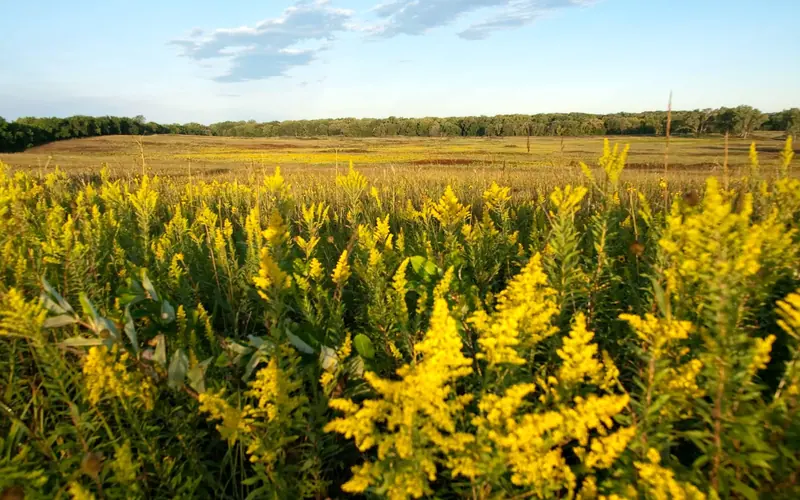
The Homestead Act of 1862 transformed the world. Millions were invited to file claims including families, women, immigrants, and formerly enslaved people. Over 10 percent of the United States was homesteaded! The land, long inhabited by indigenous cultures, changed forever. Homesteaders created settlements and farms, drove industrial advancement, and built our nation chasing the American Dream.
Weather
Homestead NHP's weather can vary quite a bit, even in a single day. In the summer, average daytime highs can exceed 80°F (27°C), only to drop 20 or more degrees when a thunderstorm rolls through. Winter lows fluctuate day to day and year to year, but average lows were measured at about 16°F (-9°C) for January and February over a 20-year period. Wind is common throughout the year.