Flash flooding is the dominant natural hazard at Bryce Canyon, with 4 recorded flash flood events in the county in recent years alongside additional flood and thunderstorm wind incidents. The canyon's narrow slot-like hoodoo formations and steep drainage channels can funnel rainwater into fast-moving walls of water with little warning, even when skies above your campsite appear clear.
Before descending into any of Bryce's below-rim trails, check the National Weather Service forecast specifically for Garfield County and watch for dark clouds building over distant ridgelines — storms upstream can trigger floods miles away from where rain is actually falling. Carry a weather radio or download an offline alert app since cell coverage is unreliable here. If you're hiking below the rim and hear a sudden roar or notice water rising in a wash, move immediately to higher ground rather than scrambling back along the trail.
Top recorded hazards in Garfield County
County dataFrom NOAA Storm Events (2024). Counts of recorded incidents — not all occurred at this park.
- Flash Flood 4
- Flood 1
- Thunderstorm Wind 1
Gear keyed to this park's risks
Recommendations driven by the actual hazards above. As an Amazon Associate we earn from qualifying purchases.
Own this campground? Get featured.
Premium listing slots for verified owners — show photos, amenity details, and direct booking links above the standard data card. Drop your contact info and we'll reach out.
About Bryce Canyon National Park
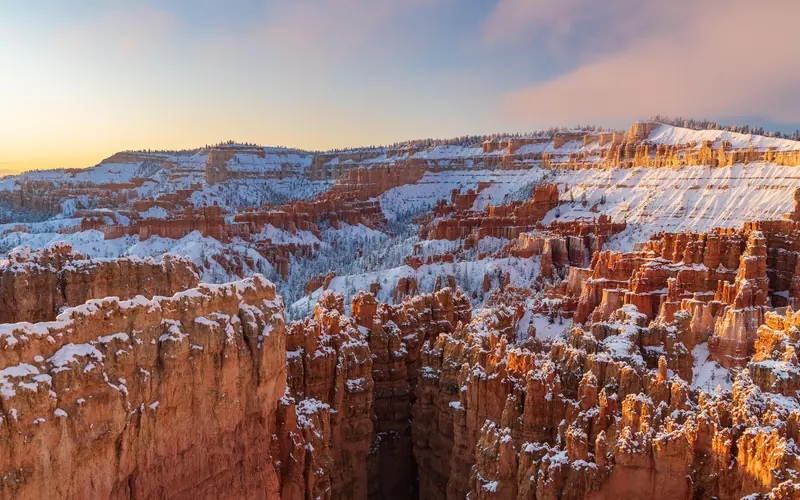
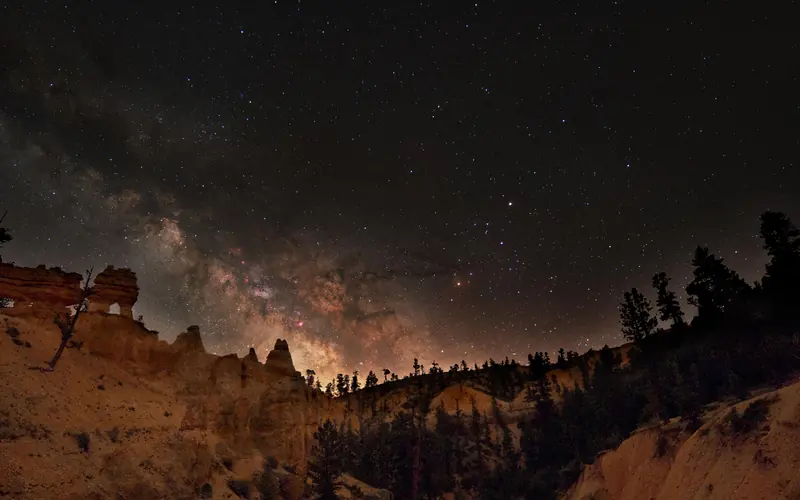
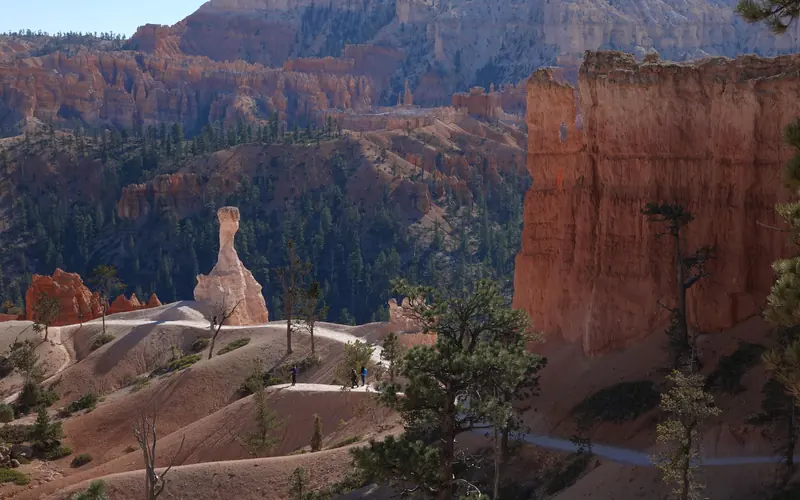
Hoodoos (irregular columns of rock) exist on every continent, but here is the largest concentration found anywhere on Earth. Situated along a high plateau at the top of the Grand Staircase, the park's high elevations include numerous life communities, fantastic dark skies, and geological wonders that defy description.
Weather
Due of its high elevation climate, weather at Bryce Canyon through autumn, winter, and spring can be highly variable. From October to May temperatures fall below freezing nearly every night. The park typically experiences its coldest and snowiest periods from December through February. Spring storms in March and April can still produce heavy snowfall that may impact travel in the region. Summer highs are typically in the 70s-80s F and afternoon thunderstorms are common in July and August.