Severe winter weather is the defining danger at Noatak National Preserve, where Alaska recorded 85 blizzard events alongside 77 high-wind incidents in the tracked period — a combination that can ground aircraft, erase trail markers, and drop visibility to near zero within minutes. These aren't brief squalls; multi-day whiteout conditions are common across the Northwest Arctic Borough, and with no road access to the preserve, there is no driving out when conditions deteriorate.
Before entering the backcountry, file a detailed trip plan with the National Park Service and carry a satellite communicator — cell service is nonexistent here. Pack a four-season tent rated to at least 50 mph winds and bring wind-resistant insulation layers separate from your sleeping bag, since wet blizzard snow collapses the warmth of down quickly. Build mandatory weather delays into your itinerary so a two-day storm doesn't force a dangerous decision about pressing on.
Top recorded hazards in Alaska
State dataFrom NOAA Storm Events (2024). Counts of recorded incidents — not all occurred at this park.
- Blizzard 85
- High Wind 77
- Winter Storm 43
- Heavy Snow 31
- Flood 28
- Winter Weather 19
Gear keyed to this park's risks
Recommendations driven by the actual hazards above. As an Amazon Associate we earn from qualifying purchases.
Own this campground? Get featured.
Premium listing slots for verified owners — show photos, amenity details, and direct booking links above the standard data card. Drop your contact info and we'll reach out.
About Noatak National Preserve
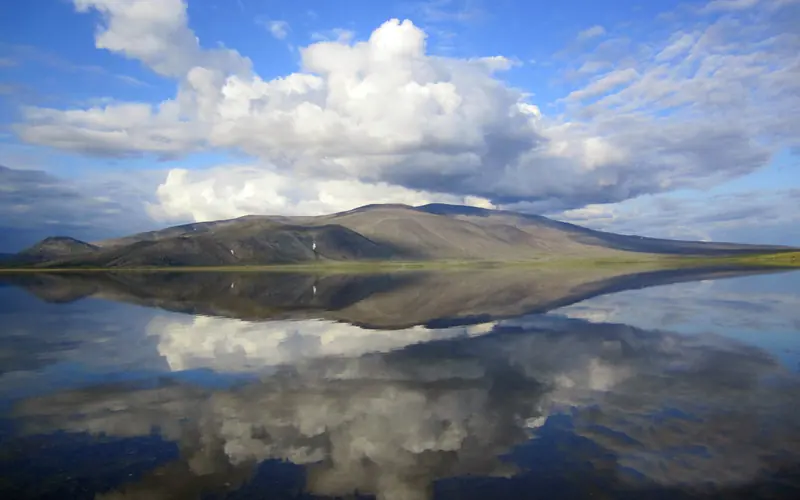
As one of North America's largest mountain-ringed river basins with an intact ecosystem, the Noatak River environs feature some of the Arctic's finest arrays of plants and animals. The river is classified as a National Wild and Scenic River. It offers stunning wilderness float-trip opportunities - from deep in the Brooks Range to the tidewater of the Chukchi Sea.
Weather
Snow, rain, and freezing temperatures can occur any time of the year. Always travel with good quality rain gear and warm layers. Be especially careful to stay dry. Hypothermia can set in on a windy, wet day, even when it doesn't feel that cold.