The dominant safety concern at the Aleutian Islands World War II National Historic Area is severe winter weather, with 85 blizzards and 77 high-wind events recorded across the hazard period — part of a broader pattern that logged nearly 258 weighted hazard incidents for the state. These storms have caused documented injuries and fatalities, and the Aleutian chain's remote location means emergency response times can stretch from hours to days.
Before visiting, check the National Weather Service's Anchorage forecast specifically for the Aleutian Islands zone, not just a general Alaska outlook. Pack a personal locator beacon (PLB) or satellite communicator like a Garmin inReach, since cell service is essentially nonexistent on the islands. If a blizzard warning is issued, shelter in place rather than attempting travel — whiteout conditions here can drop visibility to zero within minutes.

Top recorded hazards in Alaska
State dataFrom NOAA Storm Events (2024). Counts of recorded incidents — not all occurred at this park.
- Blizzard 85
- High Wind 77
- Winter Storm 43
- Heavy Snow 31
- Flood 28
- Winter Weather 19
Gear keyed to this park's risks
Recommendations driven by the actual hazards above. As an Amazon Associate we earn from qualifying purchases.
Own this campground? Get featured.
Premium listing slots for verified owners — show photos, amenity details, and direct booking links above the standard data card. Drop your contact info and we'll reach out.
About Aleutian Islands World War II National Historic Area
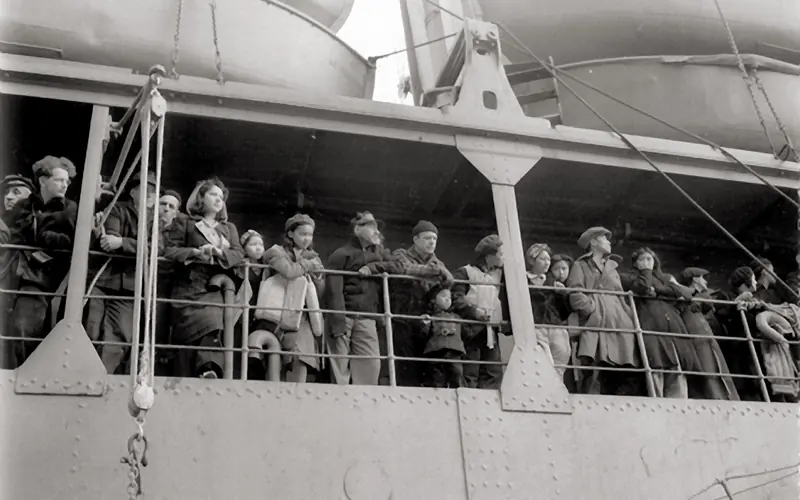
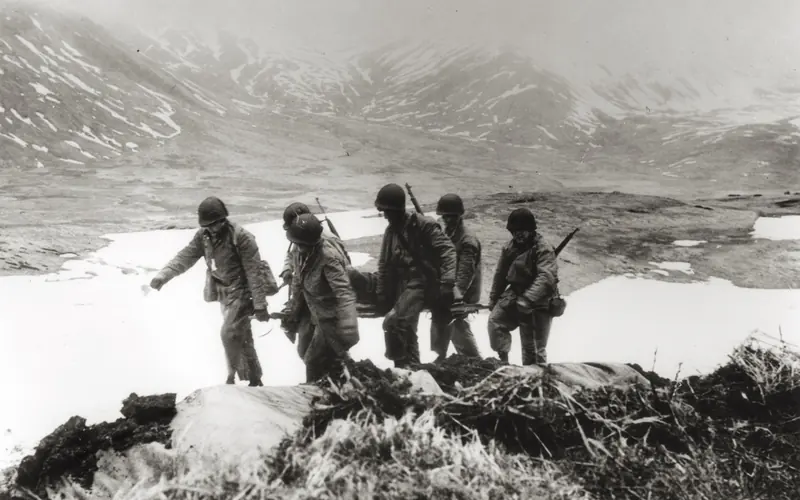
The remote Aleutian Islands, home to the Unangax̂ (Aleut) people for over 8,000 years, became a fiercely contested Pacific battleground in World War II. Some Unangax̂ were taken from their homelands as Japanese prisoners of war while the others were evacuated from the islands by the government. Both groups suffered greatly during the war, and some would never return to their villages.
Weather
The Aleutian Islands are known for unpredictable and stormy weather. Rain, fog, and wind are common. Dress warmly and carry rain gear even in summer. Summer temperatures range from 45 to 65 degrees F.