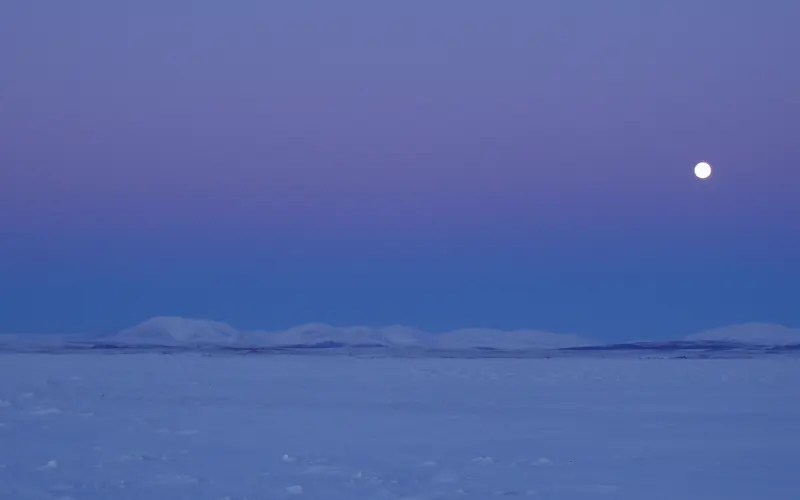
Severe winter weather dominates the risk picture at Cape Krusenstern, where Alaska's Northwest Arctic recorded 85 blizzards and 77 high-wind events in recent years, contributing to a hazard total that has caused deaths and injuries across the region. These aren't brief squalls — Arctic blizzards here can drop visibility to near zero and pin campers in place for days, making the window between safe travel and dangerous whiteout extremely short.
Before leaving the trailhead, load a satellite communicator (Garmin inReach or similar) since cell service is nonexistent this far into the Arctic, and file a detailed trip plan with someone outside the park. Pack a four-season tent rated to at least −20°F and carry a minimum 72-hour emergency food supply, because evacuation during an active blizzard is not a realistic option. Time coastal travel during forecast calm periods and treat any sudden pressure drop as a hard signal to shelter immediately.

Top recorded hazards in Alaska
State dataFrom NOAA Storm Events (2024). Counts of recorded incidents — not all occurred at this park.
- Blizzard 85
- High Wind 77
- Winter Storm 43
- Heavy Snow 31
- Flood 28
- Winter Weather 19
Gear keyed to this park's risks
Recommendations driven by the actual hazards above. As an Amazon Associate we earn from qualifying purchases.
Own this campground? Get featured.
Premium listing slots for verified owners — show photos, amenity details, and direct booking links above the standard data card. Drop your contact info and we'll reach out.
About Cape Krusenstern National Monument
A bridge to the past and a land for the future, Cape Krusenstern National Monument protects approximately 560,000 acres of diverse Arctic coastal, and upland ecosystems. Inhabited by the Iñupiaq people since time-immemorial, over 5,000 years of sequential human use is documented in the 114 successive beach ridges. Rich connections to the land and waters are preserved through subsistence practices.
Weather
Snow, rain, and freezing temperatures can occur any time of the year. Always travel with good quality rain gear and warm layers. Be especially careful to stay dry. Hypothermia can set in on a windy, wet day, even when it doesn't feel that cold.