Extreme winter weather is the defining danger at Aniakchak National Monument & Preserve, with 85 recorded blizzards and 77 high-wind events driving a hazard total that has caused deaths and injuries in the region. These aren't brief squalls — Alaskan Peninsula storms can pin visitors in place for days, with whiteout conditions and hurricane-force gusts that make evacuation impossible. Flooding adds a secondary layer of risk, with 28 recorded flood events compounding travel hazards across this remote terrain.
Before leaving the trailhead, file a detailed trip plan with the National Park Service and carry a satellite communicator — cell service does not exist here. Pack a four-season tent rated to at least 60 mph wind loads, and bring far more fuel than you expect to need, since blizzard delays can stretch a two-day visit into five. Build hard weather holds into your itinerary rather than treating them as exceptions.
Top recorded hazards in Alaska
State dataFrom NOAA Storm Events (2024). Counts of recorded incidents — not all occurred at this park.
- Blizzard 85
- High Wind 77
- Winter Storm 43
- Heavy Snow 31
- Flood 28
- Winter Weather 19
Gear keyed to this park's risks
Recommendations driven by the actual hazards above. As an Amazon Associate we earn from qualifying purchases.
Own this campground? Get featured.
Premium listing slots for verified owners — show photos, amenity details, and direct booking links above the standard data card. Drop your contact info and we'll reach out.
About Aniakchak National Monument & Preserve
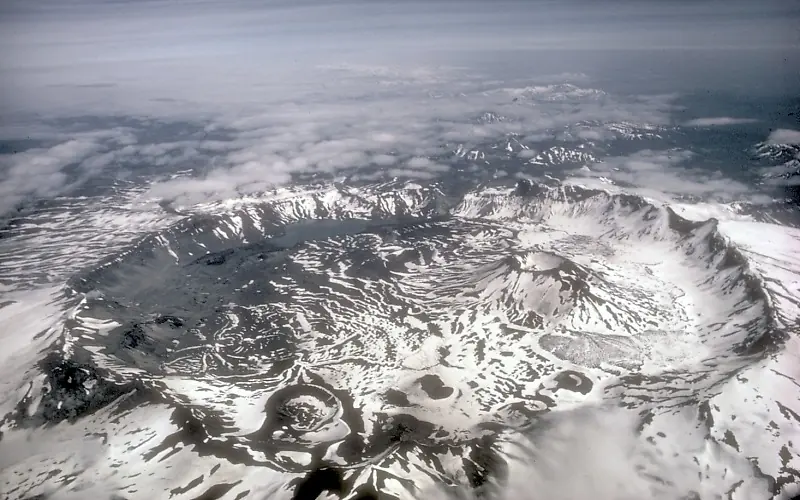
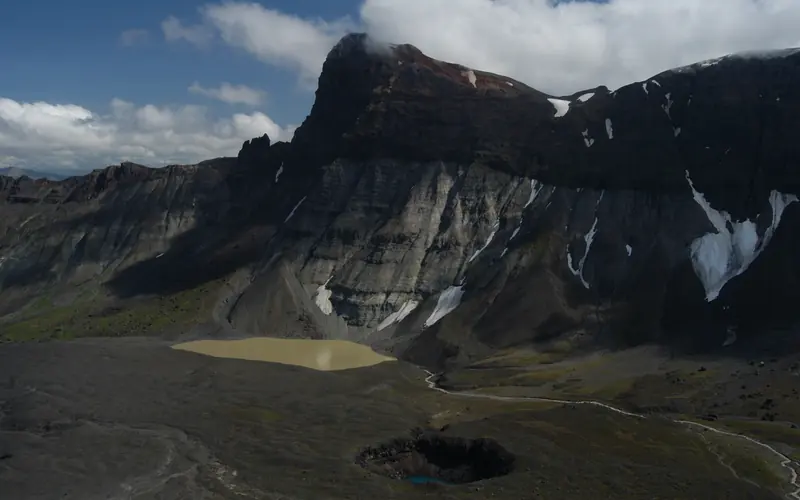
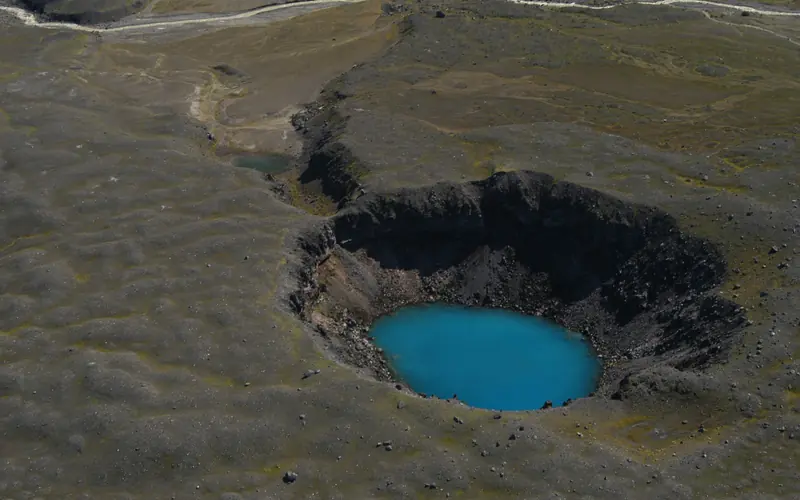
Given its remote location and challenging weather conditions, Aniakchak is one of the most wild and least visited places in the National Park System. This landscape is a vibrant reminder of Alaska's location in the volcanically active "Ring of Fire," as it is home to an impressive six mile (10 km) wide, 2,500 ft (762 m) deep caldera formed during a massive volcanic eruption 3,500 years ago.
Weather
When you visit, be prepared to encounter all types of weather. On average, wet and cool conditions predominate in spring, summer, and fall. Strong winds can delay the departure and arrival of boats and floatplanes.