Severe winter weather is the defining hazard at Kenai Fjords, where Alaska's Kenai Peninsula recorded 85 blizzards and 77 high-wind events in recent years, contributing to a hazard total that has caused deaths and injuries in the region. These aren't passing squalls — blizzards here can cut visibility to zero and strand campers for days, even in shoulder seasons when conditions look deceptively manageable.
Before arriving, load an offline GPS map (cell service is unreliable throughout the peninsula) and pack a dedicated emergency shelter — a bivy sack or four-season tent rated below 0°F — separate from your main camping setup. If high winds are forecast, skip waterfront and exposed ridge sites entirely and position your tent with the door facing away from the prevailing wind. Keep a 72-hour supply of food and fuel in your vehicle in case a blizzard closes the access roads without warning.
Top recorded hazards in Alaska
State dataFrom NOAA Storm Events (2024). Counts of recorded incidents — not all occurred at this park.
- Blizzard 85
- High Wind 77
- Winter Storm 43
- Heavy Snow 31
- Flood 28
- Winter Weather 19
Gear keyed to this park's risks
Recommendations driven by the actual hazards above. As an Amazon Associate we earn from qualifying purchases.
Own this campground? Get featured.
Premium listing slots for verified owners — show photos, amenity details, and direct booking links above the standard data card. Drop your contact info and we'll reach out.
About Kenai Fjords National Park
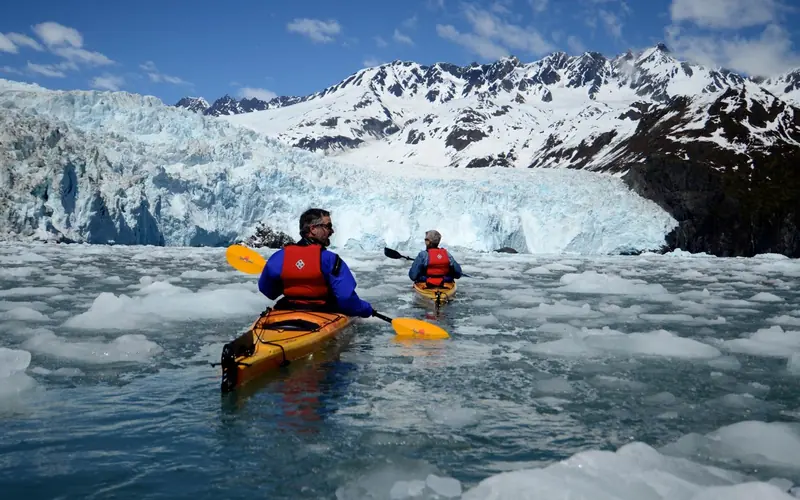
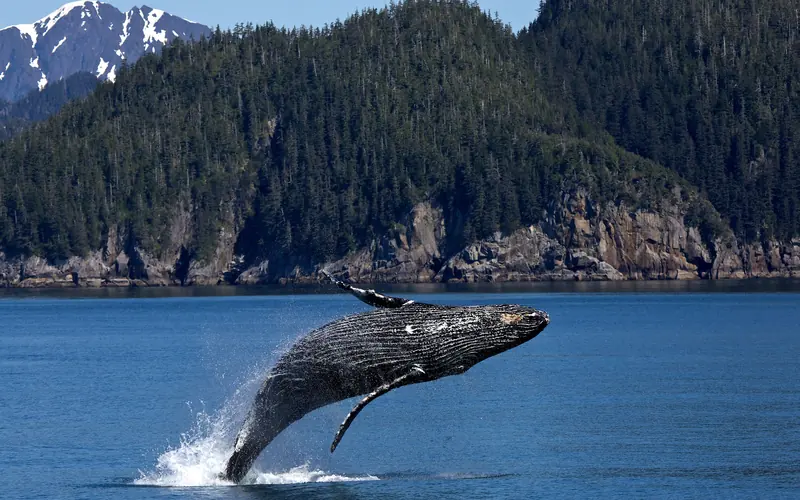
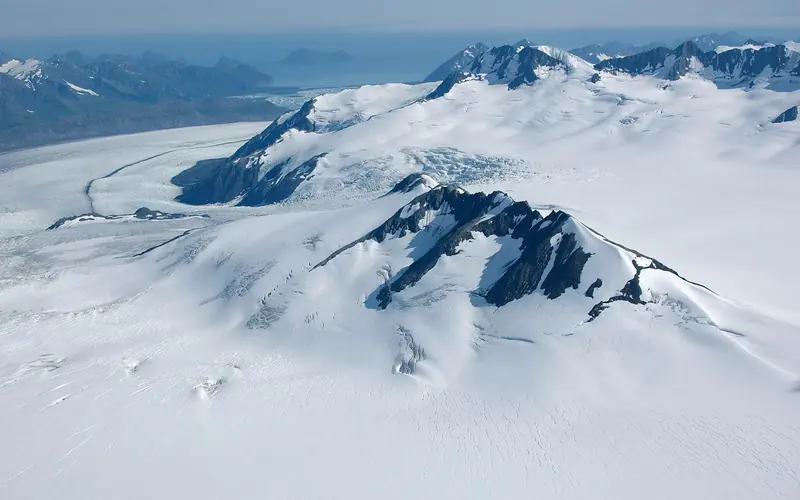
At the edge of the Kenai Peninsula lies a land where the ice age lingers. Nearly 40 glaciers flow from the Harding Icefield, Kenai Fjords' crowning feature. Wildlife thrives in icy waters and lush forests along the fjords once carved by the vast expanse of ice. Today, shrinking glaciers bear witness to the effects of our changing climate.
Weather
The weather in Kenai Fjords is difficult to predict and can change rapidly. The area generally enjoys a relatively temperate maritime climate, primarily due to the influence of warmer ocean currents that flows through the Gulf of Alaska. Summer daytime temperatures range from the mid 40s°F to the low 70s°F. Overcast and cool rainy days are frequent. Winter temperatures can range from the low 30s°F to -20°F.