Severe winter weather is the dominant threat at Katmai National Park & Preserve, where state-level records show 85 blizzard events and 77 high-wind incidents contributing to a hazard total that has resulted in deaths and injuries in recent years. These storms can descend rapidly on the Alaska Peninsula, grounding floatplanes and cutting off the remote camps and lodges that serve as your only shelter options in this roadless park.
Because evacuation by air is your only exit, build at least two extra days of supplies into your packing list — enough food, fuel, and medication to wait out a multi-day ground stop. Bring a four-season tent rated below 0°F even if you're lodge-bound, since power outages during blizzards are real. Carry a satellite communicator like a Garmin inReach so you can signal for help or receive weather updates when cell service — which is essentially nonexistent here — fails entirely.
Top recorded hazards in Alaska
State dataFrom NOAA Storm Events (2024). Counts of recorded incidents — not all occurred at this park.
- Blizzard 85
- High Wind 77
- Winter Storm 43
- Heavy Snow 31
- Flood 28
- Winter Weather 19
Gear keyed to this park's risks
Recommendations driven by the actual hazards above. As an Amazon Associate we earn from qualifying purchases.
Own this campground? Get featured.
Premium listing slots for verified owners — show photos, amenity details, and direct booking links above the standard data card. Drop your contact info and we'll reach out.
About Katmai National Park & Preserve
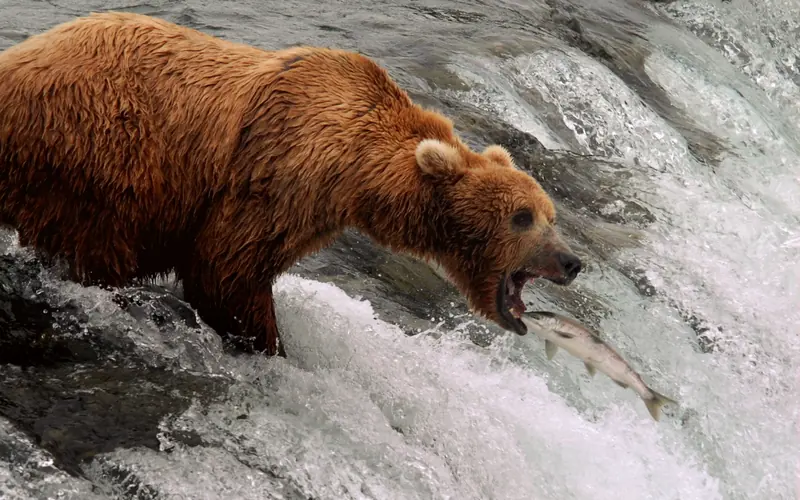
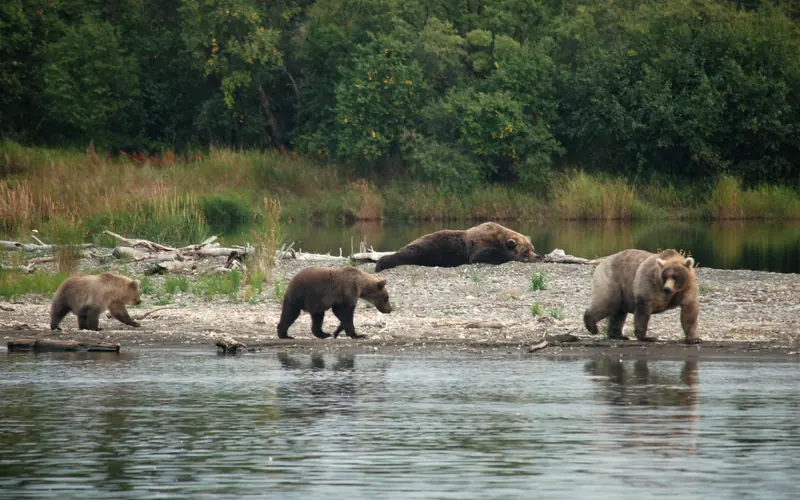
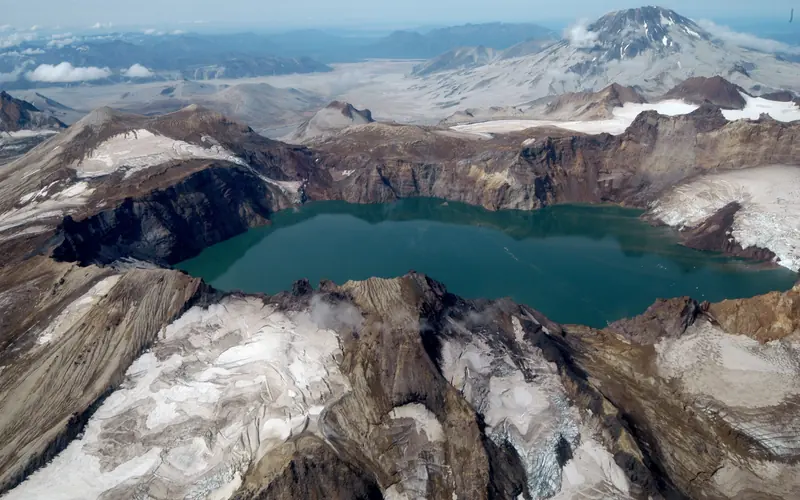
A landscape is alive underneath our feet, filled with creatures that remind us what it is to be wild. Katmai was established in 1918 to protect the volcanically devastated region surrounding Novarupta and the Valley of Ten Thousand Smokes. Today, Katmai National Park and Preserve also protects 9,000 years of human history and important habitat for salmon and thousands of brown bears.
Weather
Located between the stormy north Pacific Ocean and the even stormier Bering Sea, the Katmai region is often a battleground between weather systems. When you visit, be prepared to encounter all types of weather. On average, wet and cool conditions predominate in spring, summer, and fall. Winters are drier and colder.