Thunderstorm wind is the clearest hazard at Horseshoe Bend National Military Park, with 11 recorded events in Tallapoosa County driving the bulk of the area's weather risk. These fast-moving storms can snap tree limbs and send debris across open ground with little warning, making the park's exposed ridge trails and open monument areas particularly vulnerable during storm season. Violent crime in the surrounding county registers at 404.7 per 100,000 residents, a rate worth noting when planning your visit.
Check the National Weather Service hourly forecast before heading out each day, and download a radar app like RadarScope so you can spot approaching cells in real time. If skies darken while you're on the trail, move away from tall trees and get to your vehicle or a hard-sided structure before winds arrive. When parking or camping overnight, choose sites away from large overhanging limbs that high winds could bring down on your rig or tent.
Top recorded hazards in Tallapoosa County
County dataFrom NOAA Storm Events (2024). Counts of recorded incidents — not all occurred at this park.
- Thunderstorm Wind 11
- Hail 6
Gear keyed to this park's risks
Recommendations driven by the actual hazards above. As an Amazon Associate we earn from qualifying purchases.
Own this campground? Get featured.
Premium listing slots for verified owners — show photos, amenity details, and direct booking links above the standard data card. Drop your contact info and we'll reach out.
About Horseshoe Bend National Military Park
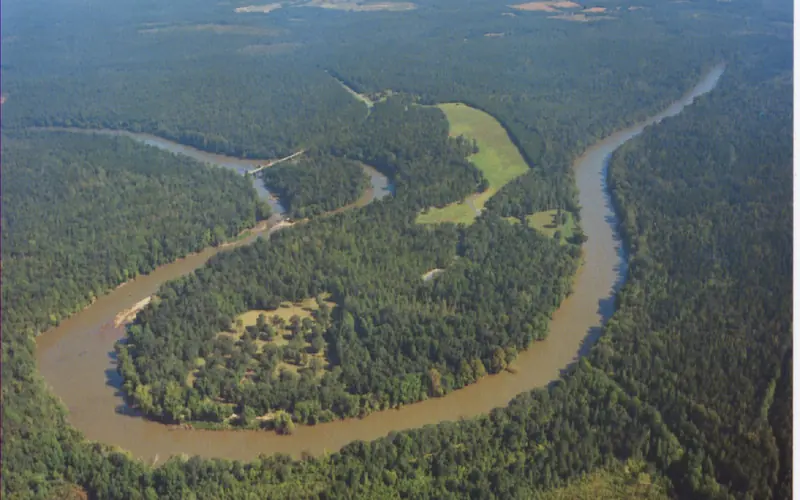
On March 27, 1814, Major General Andrew Jackson ‘s army of 3,300 men attacked Chief Menawa’s 1,000 Red Stick Creek warriors fortified in a horseshoe shaped bend of the Tallapoosa River. Over 800 Red Sticks died that day. This battle ended the Creek War, resulted in a land cession of 23,000,000 acres to the United States and created a national hero of Andrew Jackson.
Weather
Summers can be extremely hot and humid and winters can be damp, wet, and cold, with occasional hard freezes. During the summer season visitors should dress in light, comfortable clothing, wear comfortable shoes and use sunscreen and insect repellant. Stay hydrated to avoid risk of heat cramps, heat exhaustion and heatstroke. A bottle refill station is available in the visitor center. In the spring and fall visitors should have a light jacket available as temperatures can drop suddenly.