Winter weather is the defining safety concern at John Day Fossil Beds. Oregon recorded 76 heavy snow events and 73 winter storms in the hazard dataset, and the region's high desert terrain amplifies how quickly conditions deteriorate — 64 high-wind events compound snowfall into near-zero visibility and dangerous road surfaces on the access routes through Wheeler County.
If you're visiting between November and April, fit your vehicle with rated snow tires or carry chains before leaving the highway — the monument's units are spread across remote two-lane roads with no services nearby. Pack a dedicated cold-weather kit in the car: a wool or synthetic sleeping bag, hand warmers, and a day's worth of water and food in case you're stuck overnight. Check the NWS La Grande forecast the morning you travel, not the night before, since storm timing in this corridor shifts quickly.
Top recorded hazards in Oregon
State dataFrom NOAA Storm Events (2024). Counts of recorded incidents — not all occurred at this park.
- Heavy Snow 76
- Winter Storm 73
- High Wind 64
- Frost/Freeze 61
- Wildfire 28
- Thunderstorm Wind 21
Gear keyed to this park's risks
Recommendations driven by the actual hazards above. As an Amazon Associate we earn from qualifying purchases.
Own this campground? Get featured.
Premium listing slots for verified owners — show photos, amenity details, and direct booking links above the standard data card. Drop your contact info and we'll reach out.
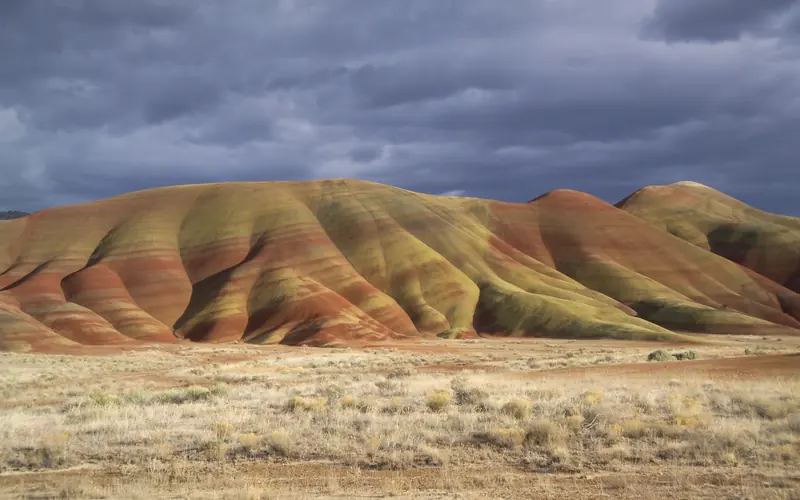
About John Day Fossil Beds National Monument
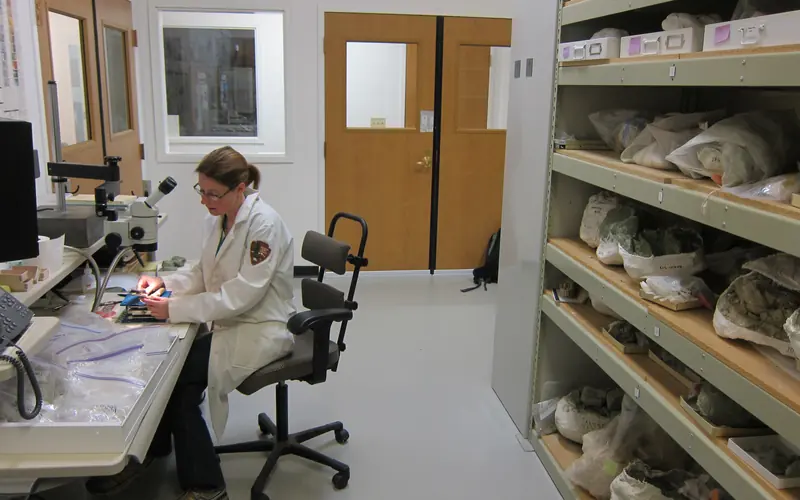
Large rhino-like brontotheres roam a semitropical forest. Dog-sized, three-toed horses dart between the trees. The cat-like nimravid and bear dogs stalk their prey. The climate cools and forests alter to dryer grasslands. Saber tooth cats and camels get replaced by mountain lions and deer. Paleontologists learn more about the ancient animals and environment with every new fossil they discover.
Weather
Weather conditions at John Day Fossil Beds National Monument are highly variable in this semi-arid desert landscape. Summer highs can climb into the 110's. Winters tend to be fairly mild, with occassional snow and ice and lows occasionally dipping into the single digits.