Heavy snow is the defining hazard at Crater Lake, with 76 recorded heavy-snow events and 73 winter storms logged in Oregon statewide data — numbers that reflect just how aggressively this high-elevation park can turn on visitors. Even summer nights at the rim sit above 7,000 feet, where sudden cold snaps and 64 high-wind events compound the snow risk into genuinely dangerous conditions for underprepared campers.
Pack a four-season tent rated to at least 20°F and stake it with snow anchors rather than standard ground stakes, which pull free in wet, heavy snowpack. Keep a set of tire chains in your vehicle year-round — the Rim Drive closes without warning, and getting caught on icy roads without them is how trips become emergencies. Check the park's road-condition hotline the morning you depart, not the night before, since conditions shift fast at elevation.
Top recorded hazards in Oregon
State dataFrom NOAA Storm Events (2024). Counts of recorded incidents — not all occurred at this park.
- Heavy Snow 76
- Winter Storm 73
- High Wind 64
- Frost/Freeze 61
- Wildfire 28
- Thunderstorm Wind 21
Gear keyed to this park's risks
Recommendations driven by the actual hazards above. As an Amazon Associate we earn from qualifying purchases.
Own this campground? Get featured.
Premium listing slots for verified owners — show photos, amenity details, and direct booking links above the standard data card. Drop your contact info and we'll reach out.
About Crater Lake National Park
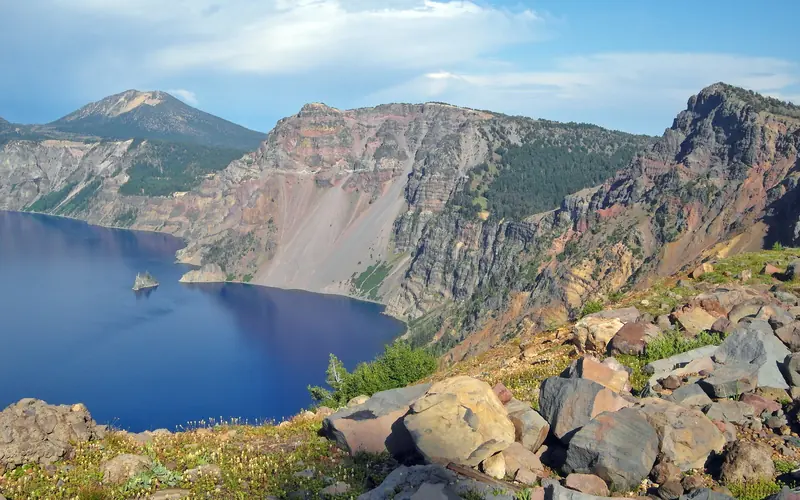
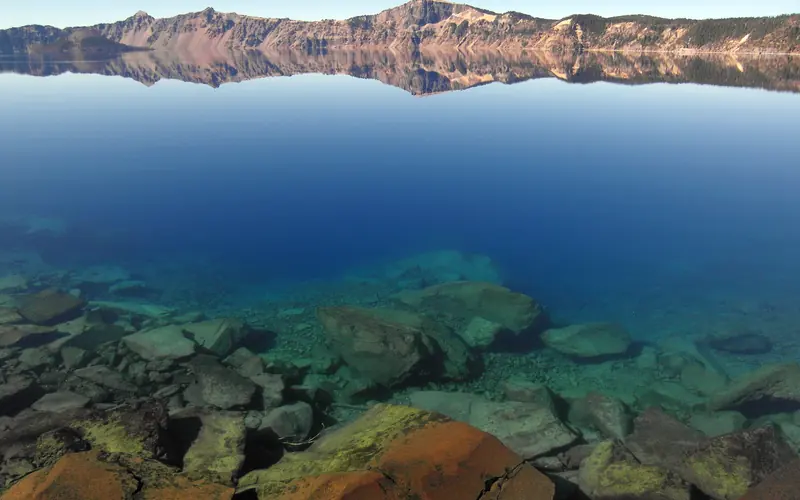
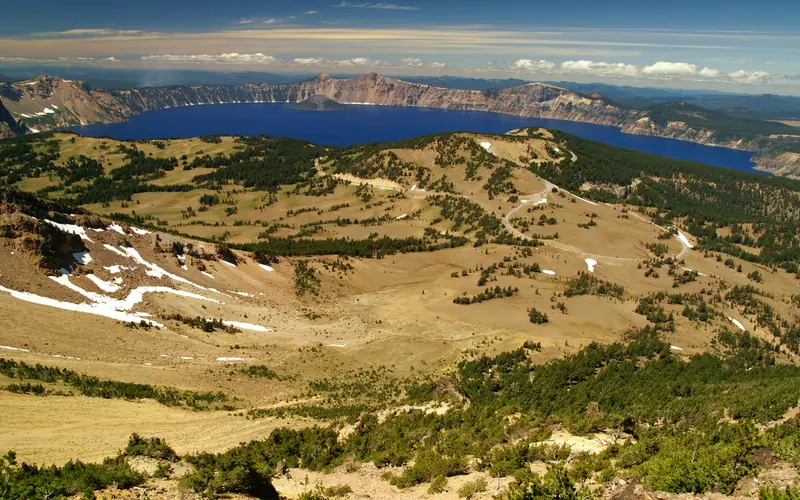
Crater Lake inspires awe. Native Americans witnessed its formation 7,700 years ago, when a violent eruption triggered the collapse of a tall peak. Scientists marvel at its purity—fed by rain and snow, it’s the deepest lake in the USA and one of the most pristine on Earth. Artists, photographers, and sightseers gaze in wonder at its blue water and stunning setting atop the Cascade Mountain Range.
Weather
July, August, and September are your best bets for warm, dry weather. In May, June, and October, sunny days alternate with periods of rain and snow. Winters at Crater Lake are long and snowy. Storms from the Pacific Ocean dump an annual average of 41 feet (13.5 meters) of snow at park headquarters. When it's raining or snowing, the lake is usually hidden by clouds. Crater Lake is completely invisible about 50% of the time in the winter!