Flathead County's violent crime rate of 449 per 100,000 residents is the clearest safety concern for visitors to Glacier National Park, sitting well above national averages and making security at your campsite a higher priority than the area's minimal weather history. The recorded weather incidents for the region are sparse — just one hail event and one thunderstorm wind event on file — so crime awareness, not storm prep, should be driving your planning here.
Keep valuables locked in your vehicle or RV rather than left visible at picnic tables or tent vestibules, since campgrounds and trailhead parking lots are common targets for opportunistic theft. Choose sites with good sightlines to neighboring campers rather than isolated spots at the edge of a loop. If you're staying in a hard-sided RV, use a quality hitch lock and consider a small in-vehicle safe for passports, extra cash, and electronics.

Top recorded hazards in Flathead County
County dataFrom NOAA Storm Events (2024). Counts of recorded incidents — not all occurred at this park.
- Hail 1
- Thunderstorm Wind 1
Gear keyed to this park's risks
Recommendations driven by the actual hazards above. As an Amazon Associate we earn from qualifying purchases.
Own this campground? Get featured.
Premium listing slots for verified owners — show photos, amenity details, and direct booking links above the standard data card. Drop your contact info and we'll reach out.
About Glacier National Park
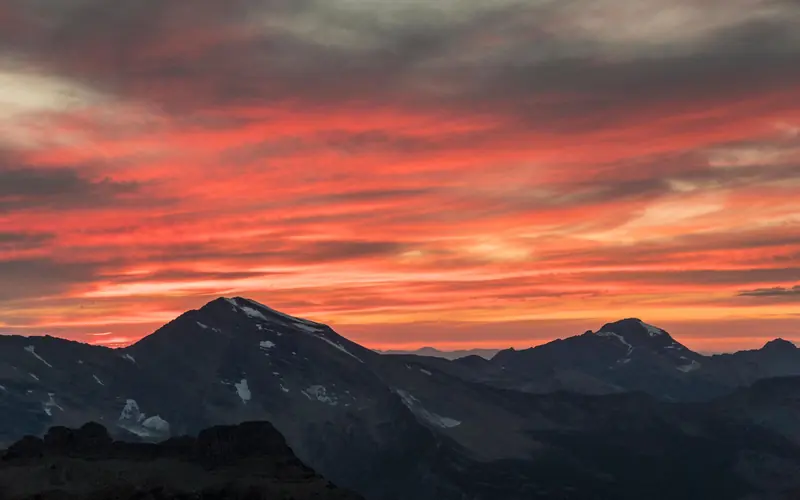
A showcase of melting glaciers, alpine meadows, carved valleys, and spectacular lakes. With over 700 miles of trails, Glacier is a paradise for adventurous visitors seeking a landscape steeped in human culture. Relive the days of old through historic chalets, lodges, and the famous Going-to-the-Sun Road.
Weather
Glacier's weather is highly variable and can be extreme. Expect warm, sunny summer days but be ready for any type of conditions. In the winter, temperatures can fall well below freezing and typically the park receives considerable amounts of snow. Glacier's geography, straddling the Continental Divide, sets the stage for clashes of two very different climates. Warm, wet Pacific air moves in from the west, and cold, dry Arctic air flows from the northeast. They meet at the Divide.