The dominant safety concern at Dry Tortugas is its remote open-water setting paired with Monroe County's volatile weather pattern, which logged 3 flood events and 3 tornadoes in recent recorded data. Reaching the park requires a roughly 70-mile ferry or seaplane trip across open Gulf water, meaning any sudden storm system — including the thunderstorm wind event on record — can strand visitors on the island with no quick exit. That isolation turns even a moderate weather shift into a serious logistical problem for families.
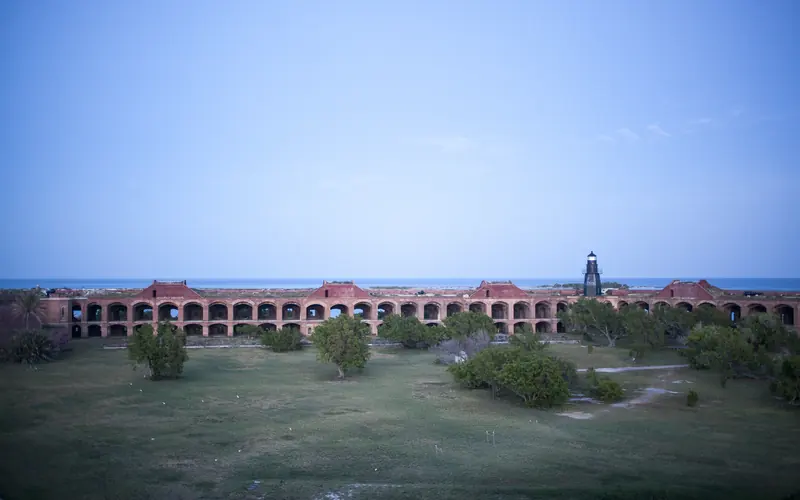
Before departure, check NOAA marine forecasts for the Straits of Florida and download an offline weather app since cell service is unreliable once you're out there. Pack a waterproof dry bag for electronics and documents, and confirm your ferry operator's cancellation and emergency protocols in advance. If skies darken unexpectedly at Fort Jefferson, move immediately into the fort's brick interior — it's your only substantial shelter on the island.
Top recorded hazards in Monroe County
County dataFrom NOAA Storm Events (2024). Counts of recorded incidents — not all occurred at this park.
- Flood 3
- Tornado 3
- Thunderstorm Wind 1
Gear keyed to this park's risks
Recommendations driven by the actual hazards above. As an Amazon Associate we earn from qualifying purchases.
Own this campground? Get featured.
Premium listing slots for verified owners — show photos, amenity details, and direct booking links above the standard data card. Drop your contact info and we'll reach out.
About Dry Tortugas National Park
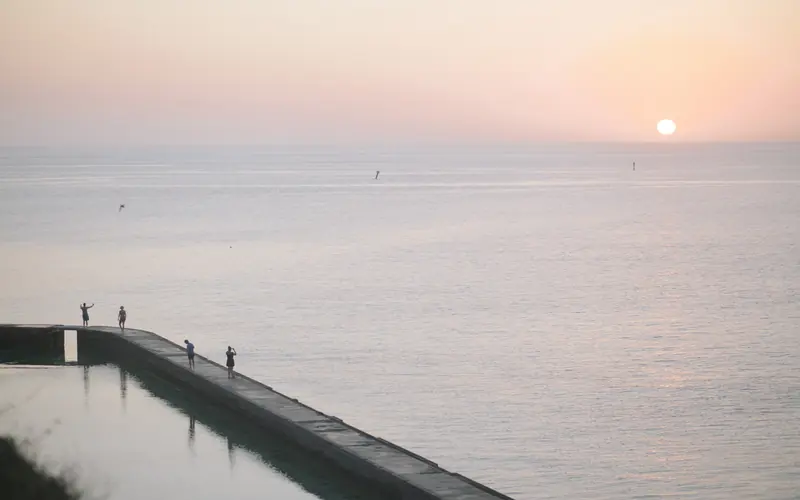
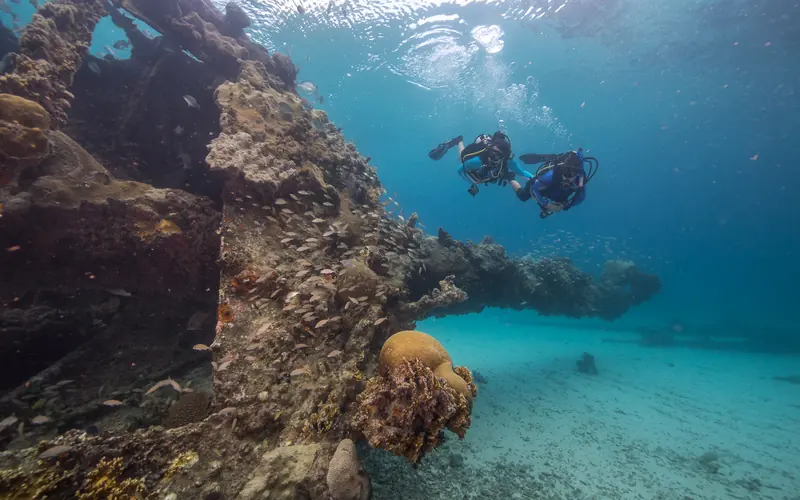
Almost 70 miles (113 km) west of Key West lies the remote Dry Tortugas National Park. This 100-square mile park is mostly open water with seven small islands. Accessible only by boat or seaplane, the park is known the world over as the home of magnificent Fort Jefferson, picturesque blue waters, superlative coral reefs and marine life, and the vast assortment of bird life that frequents the area.
Weather
The climate in the Dry Tortugas is subtropical, which basically means that it has warm and tropical weather in the range of 60°F to 90°F. The two main seasons are the winter stormy season from December through March which is windier and sees rougher seas, and the summertime tropical storm season from June through November where there is a higher chance of isolated storms. During the summers it is hot and humid. During the winter the temperature is milder and drier.