The quietest hazard profile in this dataset is still worth reading carefully: a single thunderstorm wind event recorded at the county level points to fast-moving storms as the dominant environmental risk at Yellowstone, even though the raw count is low. Summer afternoons in the Wyoming high country can spin up lightning and damaging gusts with little warning, and elevation amplifies both speed and intensity.
When a storm builds over the park, get off open terrain and away from thermal basin boardwalks immediately — both are exposed and attract lightning. Pack a lightweight rain shell with hood rather than a poncho, which catches wind and slows your movement. Check the NWS forecast for Park County each morning before heading out on longer trails, since cell service is unreliable in the backcountry and you won't get a last-minute alert.
Top recorded hazards in Park County
County dataFrom NOAA Storm Events (2024). Counts of recorded incidents — not all occurred at this park.
- Thunderstorm Wind 1
Gear keyed to this park's risks
Recommendations driven by the actual hazards above. As an Amazon Associate we earn from qualifying purchases.
Own this campground? Get featured.
Premium listing slots for verified owners — show photos, amenity details, and direct booking links above the standard data card. Drop your contact info and we'll reach out.
About Yellowstone National Park
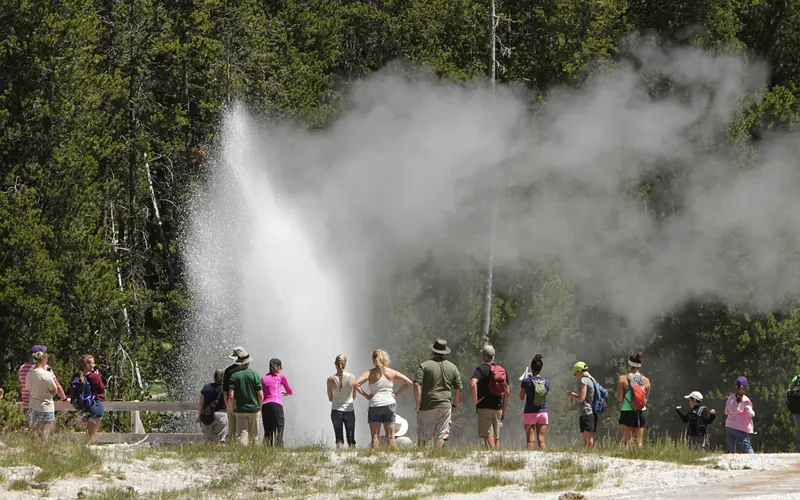
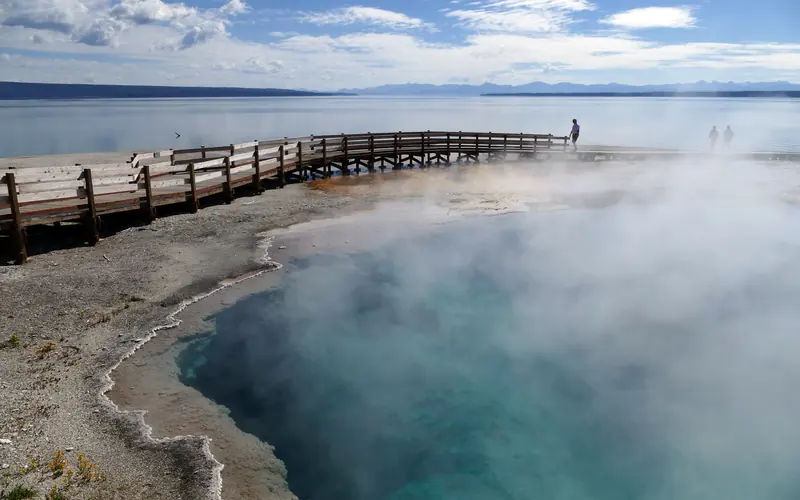
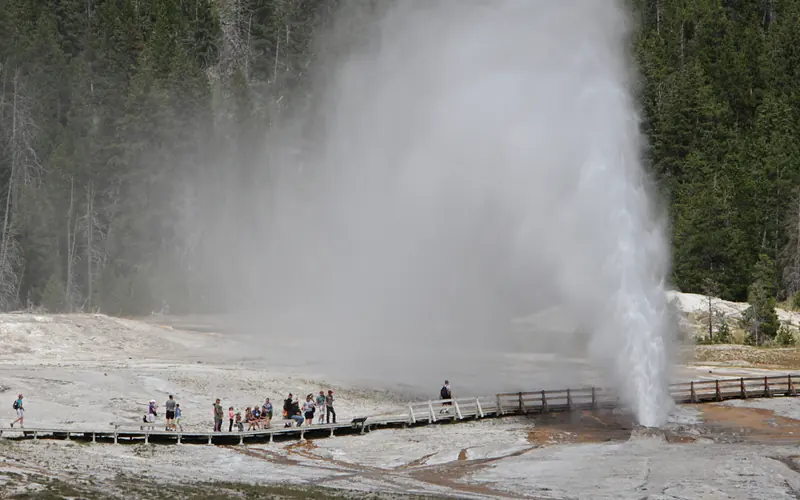
On March 1, 1872, Yellowstone became the first national park for all to enjoy the unique hydrothermal wonders. Today, millions of people come here each year to camp, hike, and enjoy the majesty of the park.
Weather
Yellowstone's weather can vary quite a bit, even in a single day. In the summer, daytime highs can exceed 70°F (21°C), only to drop 20 or more degrees when a thunderstorm rolls through. It can snow during any month of the year, and winter lows frequently drop below 0°F (-18°C), especially at night. Bring a range of clothing options, including a warm jacket and rain gear, even in the summer.