Flooding is the standout hazard at Shenandoah, with five recorded flood and flash flood events in recent years driving the park's weather risk profile. The Skyline Drive corridor and its hollows funnel rainwater quickly, meaning creek crossings and low trail sections can become dangerous with little warning — even after storms that feel distant.
Before heading out, check the NWS forecast specifically for Page County and the Blue Ridge ridgeline, not just your home zip code, since localized convective storms can develop fast here. Pack waterproof dry bags for electronics and sleeping gear, and if rain is in the forecast, choose a campsite at Mathews Arm or Big Meadows that sits well above any drainage. If you're hiking and hear sustained rain upstream, move uphill immediately — flash floods travel faster than most hikers expect.


Top recorded hazards in Page County
County dataFrom NOAA Storm Events (2024). Counts of recorded incidents — not all occurred at this park.
- Flood 3
- Thunderstorm Wind 1
- Flash Flood 1
Gear keyed to this park's risks
Recommendations driven by the actual hazards above. As an Amazon Associate we earn from qualifying purchases.
Own this campground? Get featured.
Premium listing slots for verified owners — show photos, amenity details, and direct booking links above the standard data card. Drop your contact info and we'll reach out.
About Shenandoah National Park
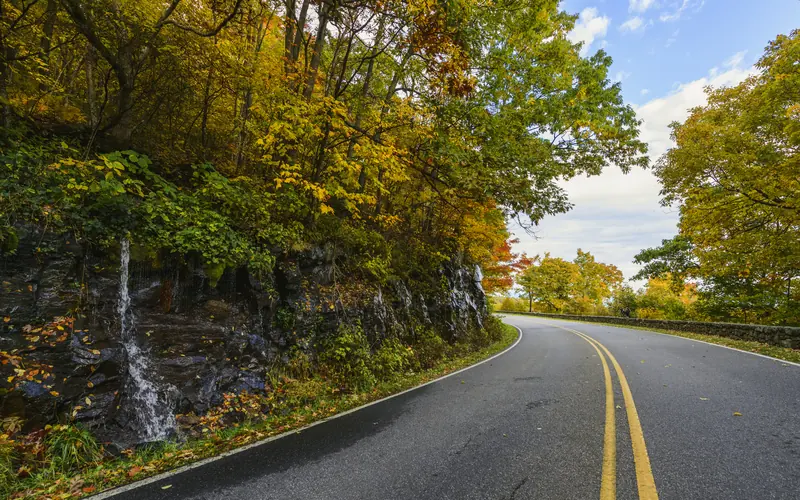
Just 75 miles from the bustle of Washington, D.C., Shenandoah National Park is a land bursting with cascading waterfalls, spectacular vistas, fields of wildflowers, and quiet wooded hollows. With over 200,000 acres of protected lands that are haven to deer, songbirds, and black bear, there's so much to explore...and your journey begins right here!
Weather
Shenandoah National Park has four very distinct seasons. Spring typically brings mild temperatures, rain, and wildflowers. Summer brings lush green forests, but can be hot and very humid. Fall follows with cooler temperatures and spectacular fall foliage. Winter can bring snow and ice. The park spans roughly 100 miles, which means that weather can vary greatly depending on your location. The mountain is usually 10°F cooler than the valley below. Always check the forecast, dress in layers, and be prepared.