The dominant safety concern at Padre Island National Seashore is severe weather, with hail and thunderstorm winds accounting for a combined 2,576 recorded events in the state hazard data — more than any other risk category by a wide margin. Flash floods add another 539 events to that picture, and the region has recorded 34 weather-related deaths and 235 injuries, making storm exposure the clearest threat families will face on this exposed barrier island.
Before heading out onto the beach or the primitive camping stretches of the seashore, download a weather radar app and check it each morning, since fast-moving Gulf storms can reach the island with little warning. Pack a waterproof tent rated for high wind, stake it low, and identify your nearest paved road or parking structure before you settle in — flash flooding can cut off interior sand roads quickly. If you see lightning over the Gulf, get off the beach immediately and stay in your vehicle until the storm clears.
Top recorded hazards in Texas
State dataFrom NOAA Storm Events (2024). Counts of recorded incidents — not all occurred at this park.
- Hail 1588
- Thunderstorm Wind 988
- Heat 828
- Flash Flood 539
- Drought 449
- Excessive Heat 336
Gear keyed to this park's risks
Recommendations driven by the actual hazards above. As an Amazon Associate we earn from qualifying purchases.
Own this campground? Get featured.
Premium listing slots for verified owners — show photos, amenity details, and direct booking links above the standard data card. Drop your contact info and we'll reach out.
About Padre Island National Seashore
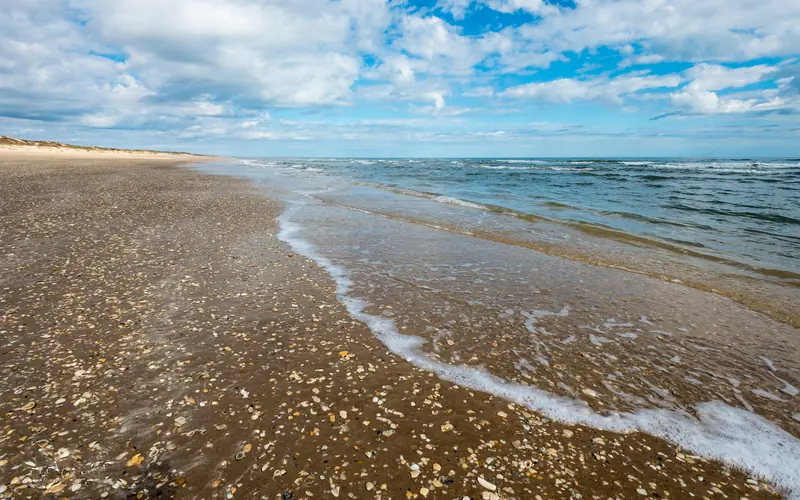
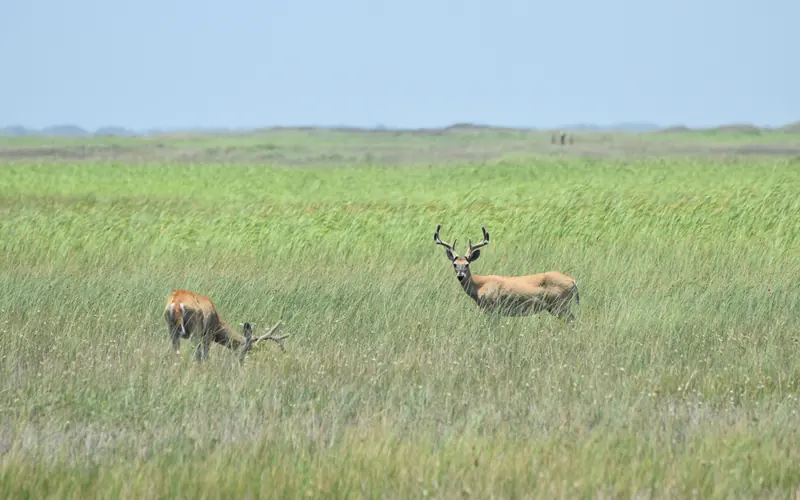
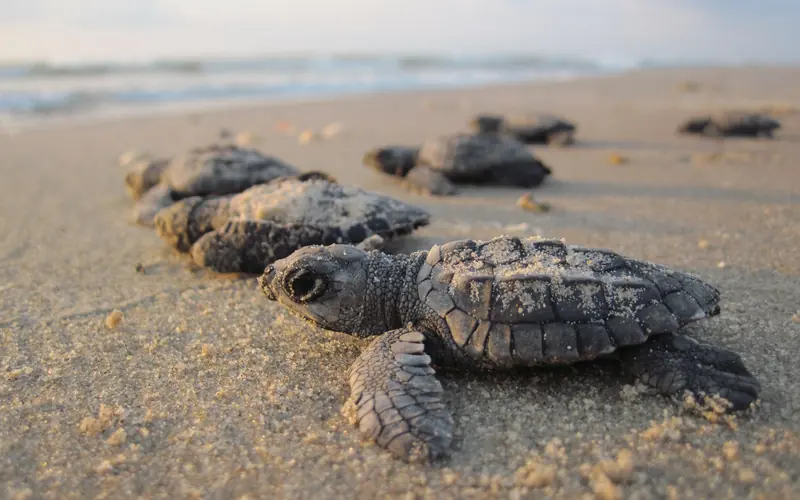
Protecting sixty-six miles of wild coastline along the Gulf of America, the narrow barrier island is home to one of the last intact coastal prairie habitats in the United States. Along the hypersaline Laguna Madre, tidal mud flats teem with life. Native Americans, Spanish explorers and cattle ranchers have walked along its shores. Padre Island National Seashore is waiting to be rediscovered.
Weather
Padre Island has long, hot summers and short, mild winters. Summers are very humid. Winter can bring strong cold fronts and gale force winds. Most rain falls near the beginning and end of hurricane season (Jun 1 - Nov 30). Average seasonal temperatures (Fahrenheit): Spring - high 70s-80s, low 50s-60s; Summer - high mid-90s, low 70s; Fall - high 70s-80s, low 50s-60s; Winter - high 50s-70s, low 30s-40s. Year-round, average wind speed ranges from 5-25 miles per hour. Relative humidity seldom drops below 70%.