Heavy snow is the defining hazard at Mount Rainier, with 90 recorded heavy-snow events leading all other incidents — more than double the 49 high-wind events that rank second. Combined with 42 thunderstorm-wind events and 34 additional winter-weather incidents, the mountain's weather profile has contributed to 16 deaths and 9 injuries in the tracked period, making sudden and severe conditions the clearest threat families face here.
Before you arrive, check the park road status page the morning of your trip, since SR-706 and the upper campground loops close without much warning during snow events. Pack tire chains even in late spring — rangers enforce chain requirements when conditions shift — and bring a layering system that includes a waterproof shell rated for sustained wind and freezing rain. If thunderstorms appear on the afternoon forecast, plan to be below treeline and back at your campsite by noon, as storms build fast on the summit and push down quickly.
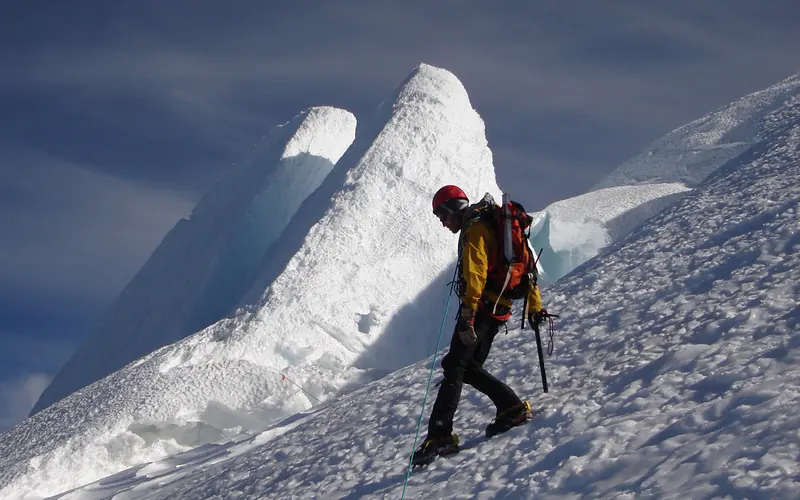
Top recorded hazards in Washington
State dataFrom NOAA Storm Events (2024). Counts of recorded incidents — not all occurred at this park.
- Heavy Snow 90
- High Wind 49
- Thunderstorm Wind 42
- Winter Weather 34
- Wildfire 25
- Frost/Freeze 22
Gear keyed to this park's risks
Recommendations driven by the actual hazards above. As an Amazon Associate we earn from qualifying purchases.
Own this campground? Get featured.
Premium listing slots for verified owners — show photos, amenity details, and direct booking links above the standard data card. Drop your contact info and we'll reach out.
About Mount Rainier National Park
Ascending to 14,410 feet above sea level, Mount Rainier stands as an icon in the Washington landscape. An active volcano, Mount Rainier is the most glaciated peak in the contiguous U.S.A., spawning five major rivers. Subalpine wildflower meadows ring the icy volcano while ancient forest cloaks Mount Rainier’s lower slopes. Wildlife abounds in the park’s ecosystems. A lifetime of discovery awaits.
Weather
Weather patterns at Mount Rainier are strongly influenced by the Pacific Ocean and elevation. The climate is generally cool and rainy, with summer highs in the 60s and 70s. While July and August are the sunniest months of the year, rain is very likely in spring, fall, and winter. Visitors should be aware that mountain weather is very changeable. In the higher elevations, like Paradise, winter can last from November to May with many feet of snow on the ground.