Flooding is the standout environmental risk at Hawaiʻi Volcanoes National Park, with 9 recorded flood and flash-flood events in the county — 5 flash floods and 4 general floods — making sudden inundation a real and recurring threat for visitors. Heavy rainfall on the volcano's slopes can send water racing down trails and crater-rim roads with little warning, even when skies overhead look clear.
Before heading out, download the park's offline map and check the National Weather Service Honolulu forecast specifically for the Kīlauea summit zone, where rainfall totals can spike dramatically in short windows. Wear trail shoes with ankle support rather than sandals, since flooded paths turn rocky surfaces slick fast. If you're camping at Nāmakanipaio, keep gear elevated off tent floors and park your vehicle away from drainage channels that funnel runoff during overnight rain.
Top recorded hazards in Hawaii County
County dataFrom NOAA Storm Events (2024). Counts of recorded incidents — not all occurred at this park.
- Flash Flood 5
- Flood 4
Gear keyed to this park's risks
Recommendations driven by the actual hazards above. As an Amazon Associate we earn from qualifying purchases.
Own this campground? Get featured.
Premium listing slots for verified owners — show photos, amenity details, and direct booking links above the standard data card. Drop your contact info and we'll reach out.
About Hawaiʻi Volcanoes National Park
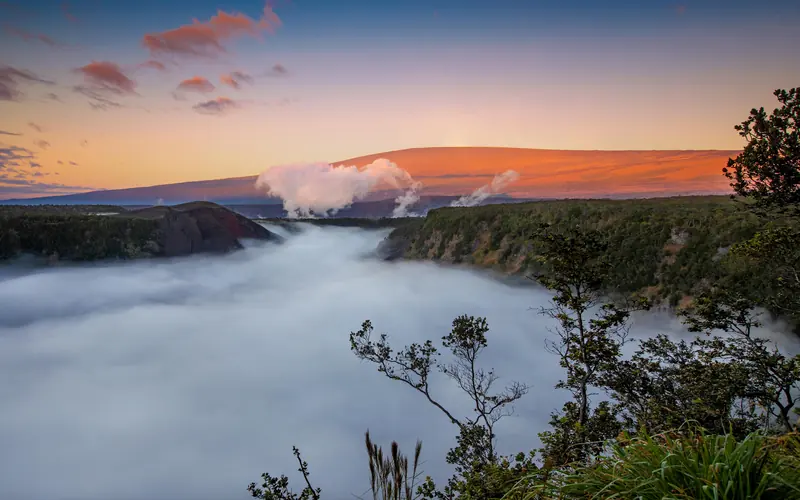
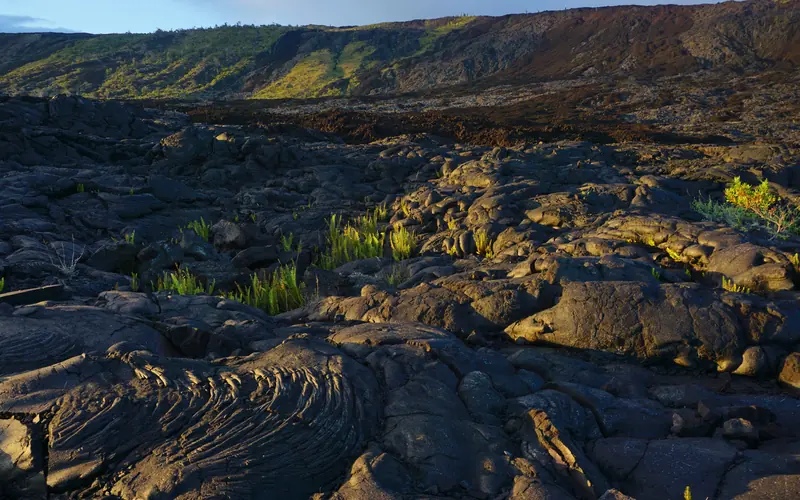
Hawai‘i Volcanoes National Park protects some of the most unique geological, biological, and cherished cultural landscapes in the world. Extending from sea level to 13,680 feet, the park encompasses the summits of two of the world's most active volcanoes - Kīlauea and Mauna Loa - and is a designated International Biosphere Reserve and UNESCO World Heritage Site.
Weather
The weather the summit of Kīlauea (~4000' elevation) varies daily and may be rainy and chilly any time of the year. Temperature varies by elevation. At the summit of the volcano, temperatures may be 12 to 15 degrees cooler than at sea level. The coastal plain at the end of Chain of Craters Road is often hot, dry, and windy with the possibility of passing showers.