The most pressing natural threat at Guadalupe Mountains is extreme heat, which combines with 988 recorded thunderstorm wind events and 539 flash flood incidents to create a compounding hazard during storm season. Heat and excessive heat events together account for over 1,160 recorded incidents in the state data, and the park's remote high-desert terrain offers little shade or shelter when conditions turn dangerous fast. Afternoon thunderstorms here can shift from clear skies to flash flooding in canyon washes within minutes.
Pack at least one gallon of water per person per day and carry an insulated hydration pack to slow warming in direct sun — standard bottles heat up quickly on exposed trails. Check the National Weather Service forecast for Culberson County each morning, and if thunderstorms are predicted, plan to be off canyon-floor trails by noon. A weather-alert radio or satellite communicator is worth the weight given how quickly cell service disappears in this park.
Top recorded hazards in Texas
State dataFrom NOAA Storm Events (2024). Counts of recorded incidents — not all occurred at this park.
- Hail 1588
- Thunderstorm Wind 988
- Heat 828
- Flash Flood 539
- Drought 449
- Excessive Heat 336
Gear keyed to this park's risks
Recommendations driven by the actual hazards above. As an Amazon Associate we earn from qualifying purchases.
Own this campground? Get featured.
Premium listing slots for verified owners — show photos, amenity details, and direct booking links above the standard data card. Drop your contact info and we'll reach out.
About Guadalupe Mountains National Park
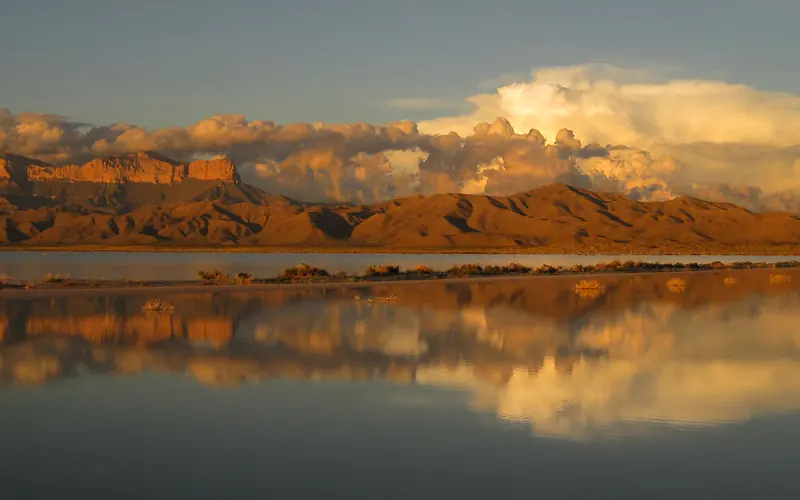
Come experience mountains and canyons, desert and dunes, night skies and spectacular vistas within a place unlike any other. Guadalupe Mountains National Park protects the world's most extensive Permian fossil reef, the four highest peaks in Texas, an environmentally diverse collection of flora and fauna, and the stories of lives shaped through conflict, cooperation and survival.
Weather
The Guadalupe Mountains are known for high winds year-round; gusts can reach 60MPH or higher. In winter the mountains experiences occasional, light snowfalls which seldom last more than a day. From May through October, temperatures vary with highs between 80F-100F+ with lows in the 40F-60F range. November to April is generally milder with highs in between 50F-70F with lows in the 30F-50F range. Elevations above 8,000’ will be about 10F cooler than headquarters, with corresponding wind-chill.