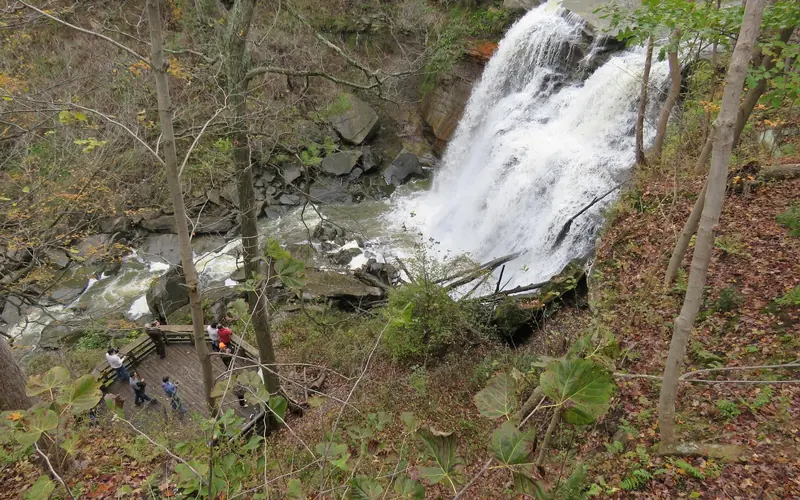
Thunderstorm-driven hazards are the clearest risk at Cuyahoga Valley, with Summit County logging 19 thunderstorm wind events and 13 flash flood incidents in recent years. Those floods are particularly relevant here — the Cuyahoga River corridor cuts directly through the park, and heavy rain can raise water levels in ravines and low trails with very little warning. Combined with a county violent crime rate of 315.6 per 100,000, this is a park where both weather awareness and situational awareness in parking areas matter.
When a storm rolls in, move away from the river towpath and any low-lying valley trails immediately — higher ground along the ridge trails is your best option. Carry a weather radio or a phone app with lightning alerts enabled, since cell coverage is inconsistent on the wooded interior paths. For your campsite, stake down your canopy and store loose gear in your vehicle before bed — those 19 wind events indicate that overnight gusts are a real, recurring threat.

Top recorded hazards in Summit County
County dataFrom NOAA Storm Events (2024). Counts of recorded incidents — not all occurred at this park.
- Thunderstorm Wind 19
- Flash Flood 13
- Hail 3
- Tornado 1
Gear keyed to this park's risks
Recommendations driven by the actual hazards above. As an Amazon Associate we earn from qualifying purchases.
Own this campground? Get featured.
Premium listing slots for verified owners — show photos, amenity details, and direct booking links above the standard data card. Drop your contact info and we'll reach out.
About Cuyahoga Valley National Park
Though a short distance from the urban areas of Cleveland and Akron, Cuyahoga Valley National Park seems worlds away. The park is a refuge for native plants and wildlife, and provides routes of discovery for visitors. The winding Cuyahoga River gives way to deep forests, rolling hills, and open farmlands. Walk or ride the Towpath Trail to follow the historic route of the Ohio & Erie Canal.
Weather
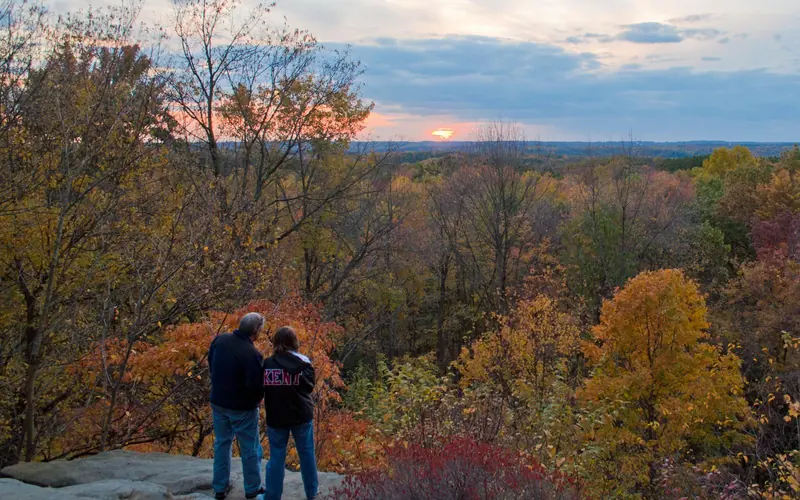
Spring's rain and warming temperatures bring new leaves on trees, blooming wildflowers, and visitors anxious to get out on the trail. Summer temperatures range from 49 to 95 degrees F and can be humid. Dressing in layers is advisable. Fall temperatures can range from low 70s during the day to freezing during the night. Fall foliage often peaks in mid-October. Winter weather conditions can rapidly change due to the lake effect snow from Lake Erie. Temperatures vary from mid-30s to below zero.