Thunderstorm wind is the defining hazard at Chaco Culture, with 10 recorded events driving the bulk of the park's weather risk — and flash floods aren't far behind with 4 events on record. The park sits in an exposed, high-desert basin where afternoon storms build fast and funnel hard through the canyon corridors, leaving little warning time for campers in open sites.
When storms roll in — typically mid-afternoon in summer — get your tent staked with heavy-duty anchors beforehand, since standard stakes pull out of sandy soil quickly under gusts. Park your vehicle uphill from your camp and identify the nearest high ground before you set up, because the same storms that bring wind can send water racing through low-lying wash areas within minutes. Check the NWS Albuquerque forecast each morning, as cell service at Chaco is essentially nonexistent once you're on-site.
Top recorded hazards in San Juan County
County dataFrom NOAA Storm Events (2024). Counts of recorded incidents — not all occurred at this park.
- Thunderstorm Wind 10
- Flash Flood 4
- Hail 1
Gear keyed to this park's risks
Recommendations driven by the actual hazards above. As an Amazon Associate we earn from qualifying purchases.
Own this campground? Get featured.
Premium listing slots for verified owners — show photos, amenity details, and direct booking links above the standard data card. Drop your contact info and we'll reach out.
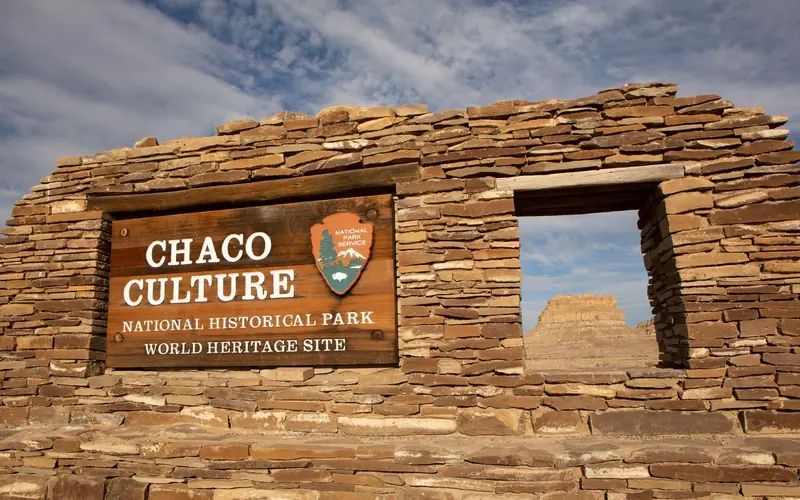
About Chaco Culture National Historical Park
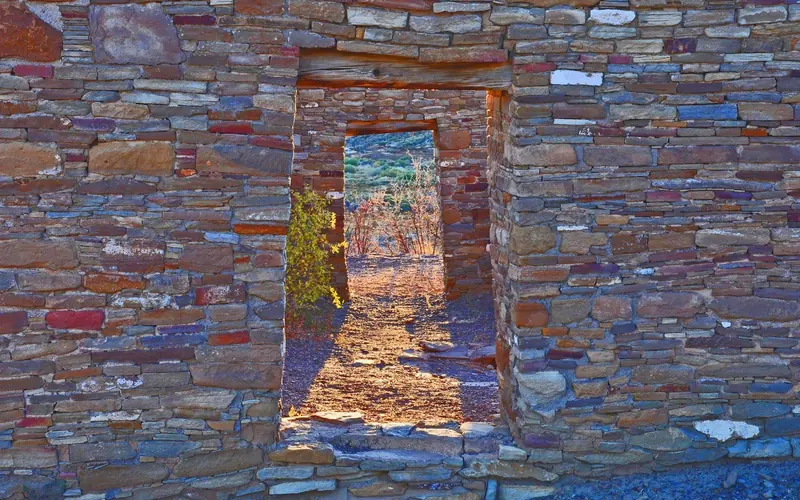
Explore the monumental structures and breathtaking landscape at Chaco, a thriving regional center for the ancestral Pueblo people from 850 to 1250 CE (Common Era), through hiking & biking trails, ranger guided tours & programs, and more. Chaco Canyon is a sacred and deeply personal place for many Indigenous peoples throughout the Southwest. Please visit with respect.
Weather
Summer highs are typically in the 80s to mid-90s. Thunderstorms can produce heavy localized downpours and sudden dramatic drops in temperatures. Winter temperatures will drop to well below freezing most nights. If you plan to camp in the winter, prepare for nighttime temperatures in the teens or lower. Spring and fall are great times to visit with more moderate temperatures, but unexpected storms can change things dramatically. Monitor local weather forecasts.