The sharpest risk at Cane River Creole National Historical Park comes from the surrounding Natchitoches Parish, where the violent crime rate reached 587.5 incidents per 100,000 residents in 2023 — well above the national average. The park itself sits within a community corridor rather than a remote wilderness, meaning your campsite or parking area may be closer to public roads and activity than you'd expect at a traditional national park. That context warrants real attention, especially for overnight visitors.
When staying near the park, choose lodging or campgrounds with secure, well-lit parking and lock all valuables out of sight in your vehicle — car break-ins tend to track with higher violent-crime areas. Avoid leaving gear, electronics, or food visible through windows when you step away. If you're day-tripping, plan to arrive and depart during daylight hours, and let someone outside your group know your schedule and expected return time.

Top recorded hazards in Natchitoches Parish
County dataFrom NOAA Storm Events (2024). Counts of recorded incidents — not all occurred at this park.
- Thunderstorm Wind 10
- Flash Flood 6
- Tornado 2
Gear keyed to this park's risks
Recommendations driven by the actual hazards above. As an Amazon Associate we earn from qualifying purchases.
Own this campground? Get featured.
Premium listing slots for verified owners — show photos, amenity details, and direct booking links above the standard data card. Drop your contact info and we'll reach out.
About Cane River Creole National Historical Park
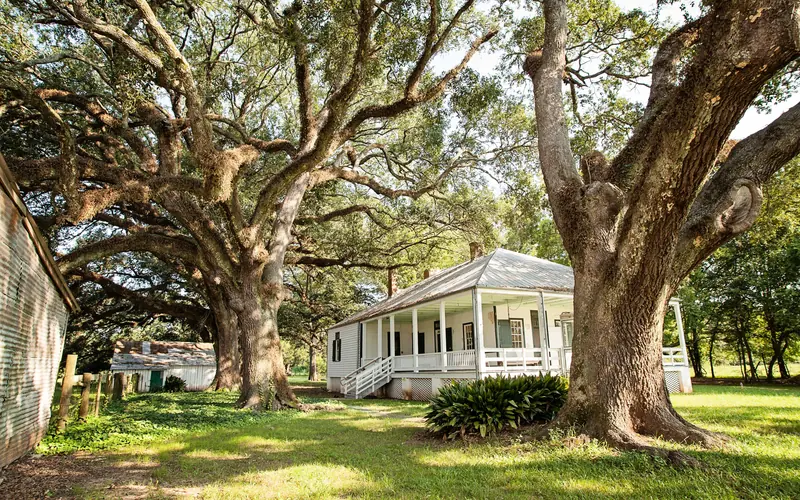
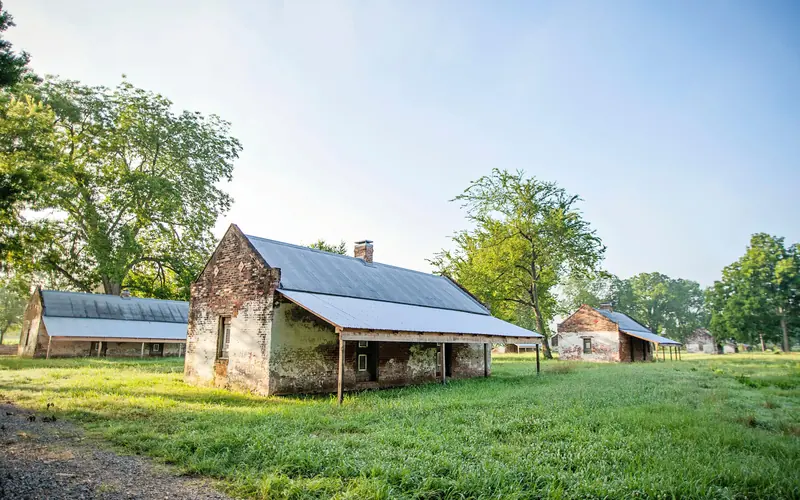
The Cane River region is home to a unique culture; the Creoles. Generations of the same families of workers, enslaved and tenant, and owners lived on these lands for over 200 years. The park tells their stories and preserves the cultural landscape of Oakland and Magnolia Plantations, two of the most intact Creole cotton plantations in the United States.
Weather
Weather in central Louisiana can be unpredictable. Summers are hot and humid. Winter is relatively mild with measurable snowfall every 5-10 years. Average rainfall is approximately 55-60 inches per year. The area is also subject to severe thunderstorms, hail, damaging winds, and tornadoes. Visitors might want to bring hats, umbrellas, and drink plenty of water. Please check the local weather forecast before planning your visit to the park.