Severe thunderstorm wind is the dominant hazard at Andersonville National Historic Site, with 1,002 recorded thunderstorm wind events across Georgia — far outpacing every other threat in the data. Flash flooding follows as a serious secondary risk, with 231 documented incidents that can turn low-lying areas and access roads dangerous with little warning. Together, these storm-related hazards contributed to 28 deaths and 98 injuries in the recorded period.
When storms roll in — and in Georgia's humid summers, they move fast — get off open memorial grounds immediately and return to a hard-sided vehicle or solid structure rather than a tent or canopy. Pack a NOAA weather radio or keep a radar app with storm-cell alerts active, since thunderstorm winds can spike without a full storm appearing overhead. If you notice water rising on any park road or trail, turn around; the 231 flash flood events here mean drainage can overwhelm crossings in minutes.
Top recorded hazards in Georgia
State dataFrom NOAA Storm Events (2024). Counts of recorded incidents — not all occurred at this park.
- Thunderstorm Wind 1002
- Flash Flood 231
- Tropical Storm 169
- Hail 104
- Tornado 38
- Hurricane (Typhoon) 29
Gear keyed to this park's risks
Recommendations driven by the actual hazards above. As an Amazon Associate we earn from qualifying purchases.
Own this campground? Get featured.
Premium listing slots for verified owners — show photos, amenity details, and direct booking links above the standard data card. Drop your contact info and we'll reach out.
About Andersonville National Historic Site
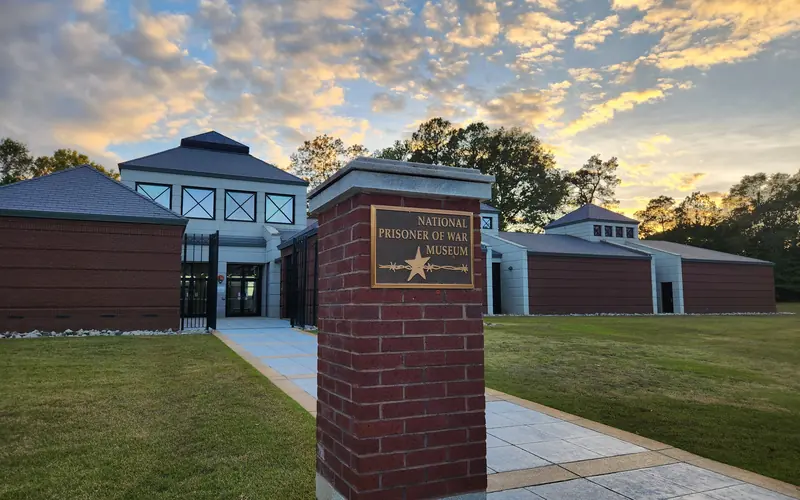
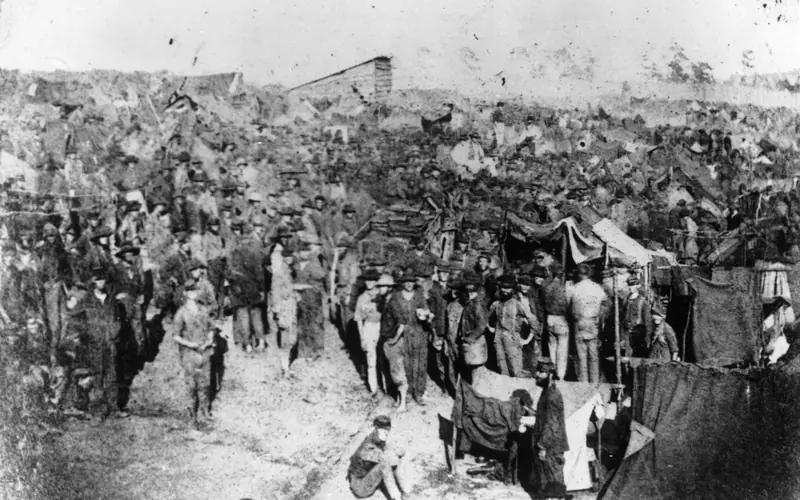
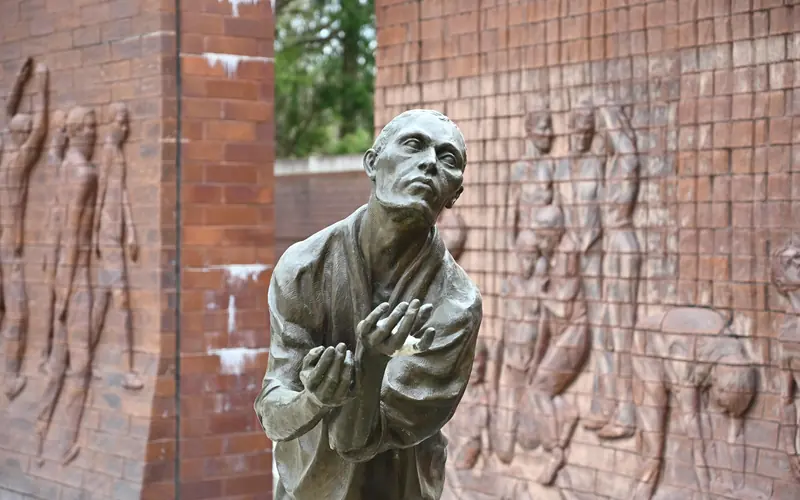
Nearly 13,000 men died on these grounds, a site that became infamous even before the Civil War ended. Their burial grounds became Andersonville National Cemetery, where veterans continue to be buried today. This place, where tens of thousands suffered captivity so others could be free, is also home to the National Prisoner of War Museum and serves as a memorial to all American prisoners of war.
Weather
Summer temperatures reach highs in the 80s-90s and high humidity. Winter temperatures tend to be in the 40s and below. Snow can occur but is rare. Average annual precipitation is 46.24 inches and is fairly evenly distributed throughout the year. The National Prisoner of War Museum is maintained at a cool temperature to help preserve artifacts; dressing in layers is recommended.